

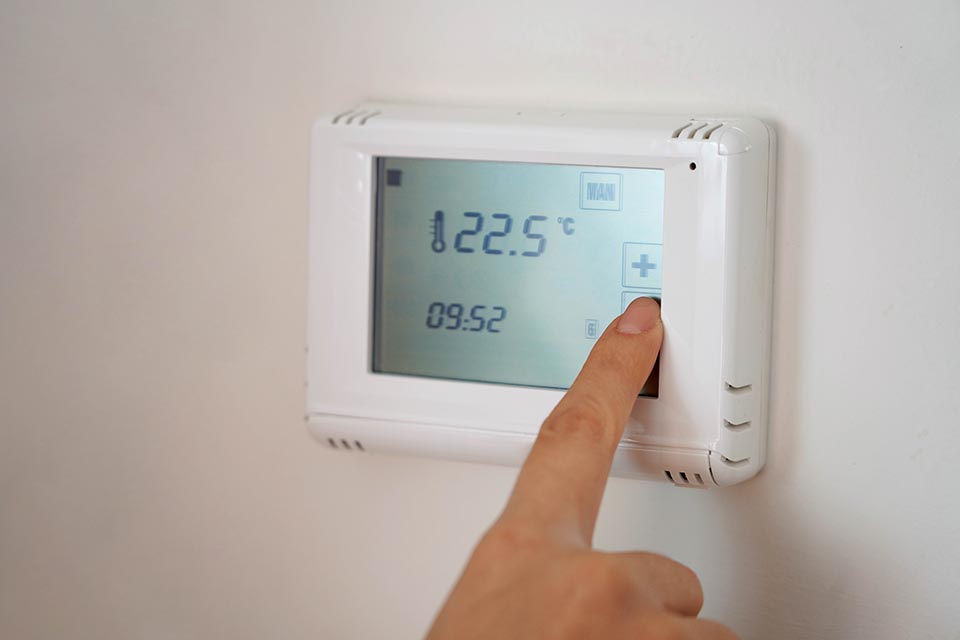
Why Programmable Thermostats Matter for Home Heating
As temperatures drop, maintaining a warm and comfortable home while keeping energy bills in check becomes a priority. Thermostats play a crucial role in home heating efficiency, and programmable models offer significant advantages over traditional thermostats. By allowing homeowners to automate temperature settings, these devices enhance comfort, improve energy efficiency, and save money.
Increased Energy Efficiency
One of the biggest benefits of a programmable thermostat is its ability to optimize heating schedules. Instead of running the heater at a constant temperature all day, homeowners can set specific heating cycles based on their routine. For example:
- Lowering the temperature when the house is empty to avoid wasting energy.
- Raising the heat before residents wake up or return home to ensure maximum comfort.
- Maintaining consistent, energy-efficient settings overnight for uninterrupted warmth.
This strategic use of thermostats reduces unnecessary energy consumption, which benefits both the environment and utility bills. Additionally, many programmable thermostats come with customizable settings for weekdays and weekends, allowing even more personalized control over heating schedules.
Cost Savings on Heating Bills
With rising energy costs, every bit of savings helps. A programmable thermostat can lower heating expenses by ensuring that the system runs only when needed. According to the U.S. Department of Energy, reducing the thermostat setting by 7-10 degrees Fahrenheit for eight hours a day can save up to 10% on annual heating costs. These savings add up over time, making programmable thermostats a smart investment for budget-conscious homeowners.
By automatically adjusting temperatures when no one is home, a programmable thermostat prevents unnecessary heating, reducing energy consumption. This means lower energy bills in the winter without compromising comfort. Furthermore, modern programmable thermostats often include energy usage tracking, providing homeowners with insights on how to improve efficiency further.
Enhanced Comfort and Convenience
A common problem with manual thermostats is the need for constant adjustments. Programmable thermostats eliminate this hassle by maintaining ideal temperatures throughout the day. Whether waking up to a warm house in the morning or returning to a cozy home after work, users can experience consistent comfort without needing to adjust settings manually.
Many models also include remote access via smartphone apps, adding an extra layer of convenience. This means homeowners can adjust settings while on vacation, at work, or even from bed, ensuring comfort without wasted energy. Some models even allow integration with voice assistants like Alexa or Google Assistant, offering hands-free temperature control.
Extended HVAC System Lifespan
Frequent fluctuations in temperature and excessive system operation can strain HVAC components, leading to wear and tear. A programmable thermostat helps regulate heating cycles, reducing the workload on the furnace. As a result, heating systems last longer, require fewer repairs, and operate more efficiently over time.
By preventing overheating or overcooling, programmable thermostats help minimize strain on HVAC systems, ultimately extending their lifespan. This reduces the need for costly repairs or early replacements, providing long-term savings for homeowners. Additionally, a well-maintained HVAC system improves indoor air quality, creating a healthier home environment.
Smart Thermostat Integration
For those looking to take heating control a step further, smart thermostats provide advanced features such as:
- Learning user habits and adjusting settings automatically to maximize efficiency.
- Integrating with home automation systems for seamless control.
- Providing energy usage reports for better efficiency monitoring and cost-saving recommendations.
- Offering geofencing technology that adjusts heating based on whether anyone is home.
While standard programmable thermostats offer great benefits, upgrading to a smart model further enhances energy savings and customization options. Smart thermostats analyze heating patterns and optimize settings without manual intervention, making them an excellent choice for busy homeowners who want an effortless way to manage their home’s climate.
Environmental Benefits
Beyond cost savings, programmable thermostats contribute to a more sustainable lifestyle. By reducing energy consumption, they help lower carbon emissions, reducing the household’s environmental footprint. Using a programmable thermostat in combination with an energy-efficient heating system further enhances these benefits.
Additionally, some smart thermostat models integrate with renewable energy sources, such as solar or geothermal heating systems, making them an excellent choice for eco-conscious homeowners. By automating energy-efficient heating schedules, these devices help reduce reliance on fossil fuels while maintaining optimal home comfort.
Choosing the Right Programmable Thermostat
When selecting a programmable thermostat, consider features such as:
- Ease of programming: Some models offer touchscreen controls, while others have simple digital displays.
- Compatibility: Ensure the thermostat is compatible with your existing HVAC system.
- Remote Access: Smart thermostats with Wi-Fi connectivity allow control via smartphones or tablets.
- Zoning Capabilities: Some models can control different heating zones within the home for optimal efficiency.
- Energy Usage Reports: Features that provide insights into heating habits and potential areas for improvement.
By choosing the right programmable thermostat, homeowners can maximize energy savings while maintaining a comfortable indoor environment tailored to their needs.
Conclusion
Investing in a programmable thermostat is a simple yet effective way to enhance home heating efficiency, reduce costs, and maintain comfort. By allowing homeowners to customize temperature schedules, these devices prevent energy waste and extend the lifespan of HVAC systems. For those looking for even greater control, smart thermostats offer additional automation and energy-monitoring capabilities.
Ultimately, thermostats play a key role in creating a warm, efficient, and cost-effective home environment. Whether opting for a standard programmable thermostat or a cutting-edge smart model, making the switch to automated temperature control is a decision that delivers long-term benefits in savings, comfort, and sustainability.
Contact us for more information or to schedule an appointment with our experts.