

Enjoy Reliable Summer Comfort Without the Guesswork
When the Arkansas heat and humidity start to build, a weak AC is more than an annoyance. Rooms feel sticky, the thermostat never seems to shut off, and you are left wondering if the system will make it through the first real heat wave. That is usually when many homeowners and small business owners start thinking hard about central AC replacement or switching to ductless cooling.
Both options can keep your space comfortable, but they work in different ways. Upgrading an existing central AC connects to your ductwork and cools the whole building at once. Ductless mini-split systems cool specific rooms or zones without using ducts at all. The right choice depends on your current system, your layout, your comfort goals, and how you like to use your space.
Our team at Noland works with homes and businesses around Searcy and central Arkansas, and we see these questions every spring. We are a family-owned, licensed, and insured HVAC company, and we focus on clear, friendly guidance so you can feel confident before the real summer heat settles in. Let’s look at how to tell what makes the most sense for you.
Signs Your Central AC Is Ready for Replacement
Central AC systems do not last forever, especially in hot, humid climates where they work hard for many months each year. Some warning signs start showing up long before a full breakdown.
Common signals that it may be time for central AC replacement include:
- The system is 10 to 15 years old or older
- It runs longer than it used to just to hold the same temperature
- You notice warm or stuffy spots even during mild spring days
- Repairs are becoming a regular thing instead of a rare event
Energy use is another big clue. If your electric bills climb each cooling season while your comfort goes down, your current unit may be using a lot of power without doing a good job. Older units often have lower SEER efficiency ratings compared to modern systems, and they can be noisy, shaky, or slow to respond.
There is also the repair versus replace line to think about. When an older unit needs a major part, many people find that putting a lot of money into a worn system is not a great long-term choice. A newer system can often give better comfort, better humidity control, and lower energy use for years to come.
A licensed and insured HVAC technician can give you a clear picture by checking:
- System performance and temperature drop
- Duct condition and airflow
- Load calculations based on your home or office size and layout
We often help customers in late spring by inspecting their central AC and talking through whether a repair makes sense or if planning a replacement before peak heat is smarter.
When Central AC Replacement Makes the Most Sense
Central AC replacement is often the best fit when you already have ductwork in decent shape and you want even comfort throughout the whole building. Open floor plans, standard ceiling heights, and homes where most rooms are used daily are all good matches for a central system.
Some of the main benefits of a modern central AC include:
- More consistent temperatures from room to room
- Higher efficiency ratings compared to many older units
- Better humidity control during muggy summer weather
- Easy pairing with smart thermostats and other modern controls
Indoor air quality can improve too. When ducts are designed and sealed properly, and you have the right filter setup, you can cut down on dust, pollen, and other airborne particles that often flare up in spring and early summer.
There are also long-term financial factors. While a new system is a big project, many owners see ongoing savings on monthly electric bills. Central AC is also something buyers expect in most homes and offices, so it can add comfort value to the property.
Correct sizing and installation are key. At Noland, our licensed and insured technicians look at your home or business as a whole system, not just the unit outside. We also provide 24/7 emergency cooling support, so if your old system fails during a heat wave, we can respond and help you plan your next step.
When Ductless Cooling Is the Smarter Choice
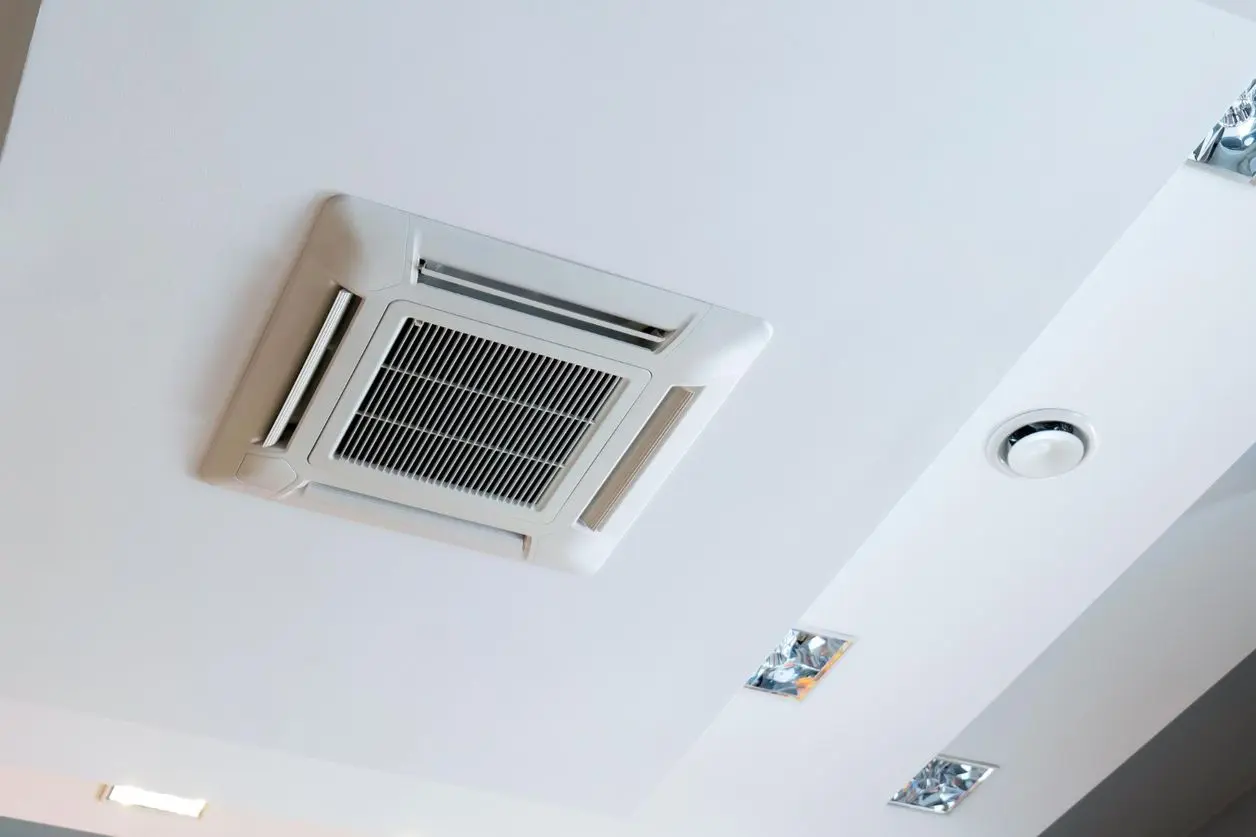
Ductless mini-split systems work differently from central AC. They use small indoor air handlers mounted on the wall or ceiling and a compact outdoor unit. Refrigerant lines connect them, and no full duct system is needed.
Ductless cooling tends to be a great option for:
- Older homes without existing ductwork
- Additions, finished attics, or bonus rooms
- Garages, workshops, or home offices
- Hot spots in an otherwise comfortable home
Each indoor unit cools its own zone, so you can set one room cooler for sleeping and keep another a little warmer to save energy. Many people like how quiet ductless systems are compared to older window units or noisy central equipment. The high-efficiency design often helps lower energy use, especially when you only cool the spaces you are actually using.
Installations are usually less invasive than running new ducts through an existing home. Most of the work is limited to small wall openings for the lines, so you can often get cooling in place faster, which is helpful when warm weather is on the way. Modern air handlers also have simple, front-access filters that can be cleaned or replaced as part of regular care.
Our licensed and insured team designs ductless systems to match the layout of each home or business, including light commercial spaces. If a ductless system ever has trouble during the hottest part of the summer, we also provide 24/7 emergency service to get you comfortable again.
Comparing Costs, Comfort, and Efficiency for Your Home
Deciding between central AC replacement and ductless cooling means looking at the whole picture, not just one number or feature. Upfront project costs are only part of the story. Energy use over several cooling seasons and how you actually live in your space matter just as much.
Here are some ways to compare the two options:
- Central AC: best for whole-home, even cooling through existing ducts
- Ductless: best for targeted zones, additions, and hard-to-cool areas
- Central AC: usually one main thermostat for the entire space
- Ductless: flexible temperature settings in each room or zone
Your home’s layout plays a big role. Tall ceilings, poor insulation, lots of south- or west-facing glass, or long duct runs can change which option works better. A home without ducts may lean toward ductless so you can avoid the disruption of adding a full duct system. A home with newer ducts may point toward a central AC upgrade instead.
Proper sizing and design are also very important. Units that are too big or too small can cause:
- Uneven temperatures
- Short cycling that wears out equipment
- High indoor humidity during hot, sticky weather
An in-home assessment from an HVAC professional can help sort through all these details before the summer rush. Our team at Noland looks at your comfort goals, budget, and building details to help you choose the most practical, comfortable option for reliable cooling.
Get Started With Your Project in Searcy, AR Today
If your system is struggling to keep up, we can help you decide if a central AC replacement is the right move for your home and budget. At Noland, we walk you through your options, explain the costs clearly, and recommend solutions that fit your comfort goals. Reach out and let us schedule a convenient time to assess your current system and provide a straightforward quote. If you are ready to talk with our team, just contact us today.