

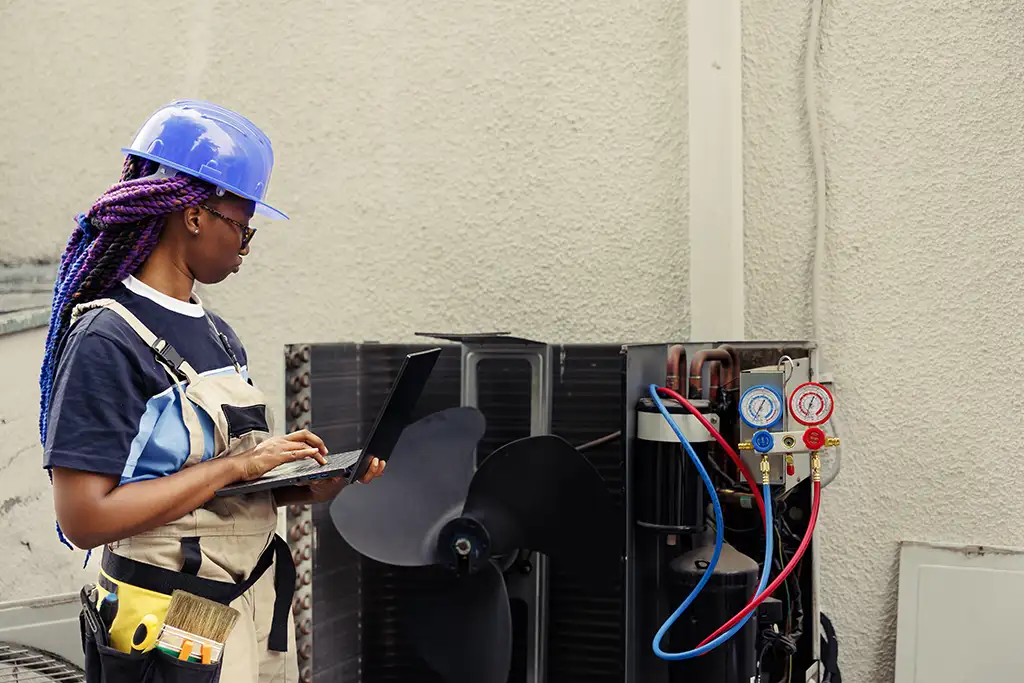
What Causes Uneven Heating in Your Home?
Uneven heating happens when some rooms in your home feel too hot while others stay too cold. This common problem affects many houses and makes it hard to feel comfortable. Uneven heating usually happens because of blocked vents, dirty air filters, leaky ductwork, or an incorrectly sized heating system. Your home’s layout, insulation problems, and even closed doors can also create hot and cold spots. The good news is that most uneven heating issues can be fixed with simple steps like cleaning vents, replacing filters, or adjusting your thermostat settings.
Table of Contents
| Common Causes of Uneven Heating | Possible Solutions |
|---|---|
| Blocked or closed vents | Open all vents and remove furniture blocking airflow |
| Dirty air filters | Replace filters every 1-3 months |
| Leaky ductwork | Seal ducts with metal tape or mastic sealant |
| Poor insulation | Add insulation to the attic, walls, and floors |
| Improperly sized HVAC system | Consider a professional assessment for proper sizing |
Signs You Have Uneven Home Heating Problems
Before you can fix uneven heating, you need to know if you really have this problem. Here are some clear signs to watch for:
Temperature Differences Between Rooms
The most obvious sign is when you walk from one room to another and feel a big change in temperature. If your living room feels cozy but your bedroom feels like an icebox, you have uneven heating. Some family members might complain about being too hot while others feel too cold in the same house.
Constantly Adjusting Your Thermostat
Do you find yourself always changing your thermostat settings? This could mean your heating system isn’t working right. When you have to turn up the heat to warm one cold room, other rooms might get too hot. This back-and-forth adjustment is a clear sign of uneven heating.
Higher Than Normal Energy Bills
Uneven heating often makes your system work harder than it should. When your furnace runs longer trying to heat cold spots, it uses more energy. If you notice your heating bills going up without a good reason, uneven heating might be the cause.
Common Causes of Uneven Heating
Understanding why your home has hot and cold spots is the first step to fixing the problem. Let’s look at the most common causes:
Blocked or Closed Vents
Sometimes the fix is as simple as checking your vents. Furniture, rugs, or curtains blocking vents can stop warm air from flowing into a room. Some people close vents in unused rooms, thinking it will save energy, but this can actually throw off your whole system’s balance.
Look around your home for any blocked vents. Move furniture at least 10 inches away from vents to allow good airflow. Make sure all vents are open, even in rooms you don’t use much.
Dirty Air Filters
A clogged air filter is like trying to breathe through a stuffy nose. When air can’t flow freely through your system, some rooms won’t get enough heat. This is one of the easiest HVAC airflow problems to fix.
You should check your air filter every month and change it when it looks dirty. Most filters need to be replaced every 1-3 months. This simple step can make a big difference in how evenly your home heats.
Leaky Ductwork
Your ducts are like highways that carry warm air to each room. If these highways have holes or cracks, the warm air escapes before reaching its destination. Up to 30% of heated air can be lost through leaky ducts!
Look for exposed ducts in your attic, basement, or crawl spaces. Check for obvious holes, disconnected sections, or crushed ducts. Small leaks can be sealed with metal tape (not duct tape) or mastic sealant.
Poor Insulation
Think of insulation as your home’s winter coat. Without enough insulation, heat escapes quickly through your walls, floors, and ceiling. Rooms with exterior walls or those above unheated spaces like garages often feel colder because of poor insulation.
Check your attic insulation first – it should be at least 12 inches deep. Look for gaps around windows and doors where cold air might leak in. Adding weatherstripping or caulk around windows and doors can help keep heat inside.
Multi-Story Home Challenges
Heat naturally rises, which is why upper floors often feel warmer than lower levels. In two-story homes, the temperature difference between floors can be 8-10 degrees! This natural heat flow creates uneven home heating that can be hard to fix.
During winter, try partially closing some upstairs vents (not completely) to force more warm air to the lower level. In summer, do the opposite to push more cool air upstairs.
Improperly Sized HVAC System
A heating system that’s too big or too small for your home won’t work efficiently. An oversized system heats some rooms quickly, then shuts off before warming the whole house. An undersized system runs constantly but never quite warms distant rooms.
Only a professional HVAC technician can determine if your system is properly sized. If your system is more than 15 years old and you’ve had ongoing heating system balance issues, it might be time for an upgrade.
DIY Solutions for Uneven Heating
Before calling a professional, try these simple fixes that might solve your uneven heating problems:
Check and Clean All Vents
Walk through your home and make sure every vent is open and unblocked. Use a vacuum with a brush attachment to clean dust and debris from vent covers. Remove the covers if possible and vacuum inside the ducts as far as you can reach.
Make sure furniture, rugs, curtains, or toys aren’t blocking any vents. Even partial blockages can significantly reduce airflow and create hot and cold spots in your home.
Replace Air Filters Regularly
This simple maintenance task makes a huge difference in your heating system’s performance. Dirty filters restrict airflow and make your system work harder. Buy several filters at once so you always have a clean one ready.
Set a reminder on your phone to check your filter monthly. Hold it up to a light – if you can’t see light through it, it’s time for a new one. This easy fix often solves many HVAC airflow problems.
Balance Your System with Dampers
Many homes have dampers in the ductwork that control airflow to different areas. These look like small handles on the sides of ducts. By adjusting these dampers, you can direct more warm air to colder rooms.
In winter, partially close dampers leading to naturally warmer areas (like upstairs rooms) and open those leading to colder areas. Mark the normal position with a marker so you can return them to their original settings when needed.
Use Ceiling Fans Wisely
Ceiling fans aren’t just for summer cooling. In winter, set your fans to run clockwise at a low speed. This gentle motion pushes warm air that collects near the ceiling back down into the room.
This simple trick can make rooms feel 1-2 degrees warmer without using more energy. Just remember to switch the direction back in summer (counterclockwise) for cooling.
Add Portable Solutions
For stubborn cold spots, consider adding a small space heater for temporary relief. Modern space heaters are energy-efficient and have safety features like tip-over protection. Use these only when the room is occupied and keep them away from anything flammable.
Thermal curtains can also help keep heat in rooms with drafty windows. Close them at night to trap heat, then open them during sunny days to let natural warmth in.
When to Call a Professional for Uneven Heating
Sometimes DIY fixes aren’t enough to solve uneven heating problems. Here’s when it’s time to call in an expert:
Professional Duct Inspection and Sealing
If you suspect leaky ducts but can’t find or reach the problem areas, a professional duct inspection is worth the investment. HVAC technicians use special equipment to find and measure leaks, even in hidden ductwork.
Professional duct sealing can improve your heating efficiency by 20% or more. Technicians use specialized tools and materials to create long-lasting seals that DIY methods can’t match.
HVAC System Balancing
Heating system balance is a complex process that measures airflow throughout your home. Professionals use tools like anemometers to measure exactly how much air flows through each vent. Then they make precise adjustments to achieve even heating.
This service often includes cleaning ducts, adjusting dampers, and calibrating your system for optimal performance. The result is more consistent temperatures throughout your home.
Zoning System Installation
For homes with persistent uneven heating, a zoning system might be the answer. This upgrade divides your home into separate heating zones, each with its own thermostat. Motorized dampers automatically direct air where it’s needed most.
Zoning systems are especially helpful for multi-story homes, houses with additions, or homes with large open spaces. While the installation cost is significant, the improvement in comfort and potential energy savings make it worthwhile for many homeowners.
Upgrading Your HVAC System
If your heating system is more than 15 years old and you’ve tried everything else, it might be time for an upgrade. Modern systems are much more efficient and better at maintaining even temperatures.
New technologies like variable-speed blowers and two-stage heating can dramatically improve heating system balance. These systems run at lower speeds most of the time, providing more consistent heat distribution and using less energy.
Preventing Future Uneven Heating Problems
Once you’ve fixed your current uneven heating issues, take these steps to prevent them from coming back:
Regular HVAC Maintenance
Schedule professional maintenance for your heating system every fall before the heating season begins. A technician will clean, inspect, and tune up your system to ensure it runs efficiently all winter.
Regular maintenance catches small problems before they cause uneven heating. It also extends your system’s life and keeps your warranty valid.
Improve Your Home’s Insulation
Adding insulation is one of the most effective ways to prevent temperature differences between rooms. Focus on your attic first, as this is where most heat loss occurs.
Don’t forget about sealing air leaks around windows, doors, and other openings. Even small drafts can create cold spots near exterior walls.
Install a Smart Thermostat
Smart thermostats learn your schedule and preferences, automatically adjusting temperatures throughout the day. Some models can even work with remote sensors placed in different rooms to better balance your home’s heating.
These devices give you detailed information about your heating patterns and can alert you to potential problems before they cause uneven heating.
Frequently Asked Questions About Uneven Heating
Why is my second floor so much hotter than my first floor?
Heat naturally rises, making upper floors warmer than lower levels. This is especially noticeable in homes with open stairways. To balance temperatures, try partially closing some upstairs vents in winter to force more warm air downstairs. Using ceiling fans to push warm air back down can also help reduce the temperature difference.
Can closing vents in unused rooms help with uneven heating?
Surprisingly, closing vents often makes uneven heating worse. Your heating system is designed to distribute air throughout your entire home. Closing vents creates pressure imbalances that can strain your system and actually reduce efficiency. Instead of closing vents, consider a professional zoning system if you regularly have unused rooms.
How much does professional duct sealing cost?
Professional duct sealing typically costs between $500-$2,000, depending on your home’s size and duct accessibility. While this might seem expensive, sealed ducts can reduce your heating costs by up to 30%, meaning the service often pays for itself within a few years through energy savings.
Will adding a space heater to cold rooms fix my uneven heating?
Space heaters can provide temporary relief for cold spots, but they’re not a permanent solution. They use a lot of electricity, which can increase your energy bills significantly. It’s better to address the root cause of uneven heating rather than relying on space heaters long-term.
How often should I have my heating system professionally balanced?
Most homes benefit from professional heating system balancing every 3-5 years. However, you should schedule this service sooner if you’ve made significant changes to your home (like adding rooms or renovating), or if you notice new hot or cold spots developing.
Enjoy Comfortable, Even Heating Throughout Your Home
Uneven heating doesn’t have to be something you just live with. By understanding the causes of hot and cold spots and taking steps to fix them, you can enjoy comfortable temperatures throughout your entire home. Start with simple fixes like checking vents and changing filters, then move on to more advanced solutions if needed.
Remember that proper maintenance is key to preventing future uneven heating problems. Regular filter changes, annual professional check-ups, and prompt attention to small issues will keep your system running smoothly.
For persistent uneven heating issues that you can’t solve yourself, don’t hesitate to call the professionals. Noland Heat and Air can diagnose complex HVAC airflow problems and recommend the best solutions for your specific situation. Contact us today to schedule an appointment and take the first step toward a more comfortable, evenly heated home.