

Why Is My Furnace Overheating and Shutting Down?
Your furnace is overheating and shutting down because of safety mechanisms that protect your home from fire hazards. The most common causes include dirty air filters, blocked vents, faulty limit switches, or mechanical problems. When your furnace gets too hot, it triggers the high-limit switch to cut power. This safety feature prevents damage to your heating system and reduces fire risks. Most overheating issues can be fixed with simple maintenance like changing filters or clearing vents, but some problems require professional help. Understanding why your furnace overheats is the first step to solving the problem and keeping your home warm and safe.
Table of Contents
Common Signs Your Furnace Is Overheating
| Warning Sign | What It Means | Risk Level |
|---|---|---|
| Frequent shutdowns | Safety switch is activating | Medium |
| Burning smells | Components overheating | High |
| Strange noises | Parts expanding or struggling | Medium |
| Hot exterior | Internal overheating | High |
Before we dive into the causes and fixes, it’s important to recognize when your furnace is overheating. Here are the telltale signs to watch for:
Frequent Shutdowns
If your furnace keeps turning off before your home reaches the temperature set on your thermostat, overheating might be the culprit. This happens because the safety switch turns off the furnace when it gets too hot. Your furnace might run for a short time, shut down, cool off, and then start again in a frustrating cycle.
Burning Smells
A burning smell coming from your vents or furnace area is a serious warning sign. While a slight dusty smell is normal when you first turn on your furnace for the season, ongoing burning odors suggest overheating components. This smell might be dust burning on hot surfaces or, more concerning, electrical components getting too hot.
Strange Noises
Listen for unusual sounds like banging, popping, or whining. These noises often happen when parts are working too hard or getting too hot. Metal components expand when they heat up, which can cause clicking or popping sounds as your furnace overheats.
Hot to the Touch
If the outside of your furnace feels unusually hot, this indicates internal components are overheating. Never touch your furnace if you suspect it’s overheating – this could result in burns.
Top Causes Why Your Furnace Is Overheating and Shutting Down
Let’s explore the most common reasons your furnace is overheating and shutting down, along with how to fix these issues.
Dirty Air Filters
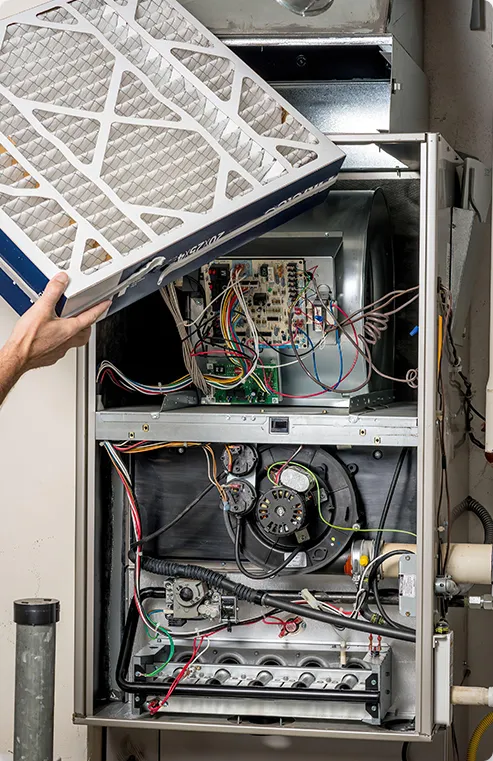
One of the reasons your furnace is overheating and shutting down might be clogged air filters. When filters get dirty, they block airflow through your system. This makes your furnace work harder and get hotter as it struggles to push air through the clogged filter.
Think of it like trying to breathe through a thick blanket – it’s much harder than breathing normally. Your furnace faces the same challenge when its filter is clogged with dust, pet hair, and other particles.
Check your air filter monthly and replace it every 1-3 months, depending on your home conditions. If you have pets or allergies, you might need to change it more often. This simple maintenance task can prevent up to 40% of furnace overheating problems.
Restricted Airflow
Beyond dirty filters, airflow can be restricted by:
- Closed or blocked vents in rooms
- Furniture placed over floor registers
- Dirty ductwork filled with dust and debris
- Improperly sized ductwork for your system
When air can’t flow freely, heat builds up inside your furnace instead of moving throughout your home. This trapped heat causes your furnace to overheat and shut down.
Make sure all vents are open and unblocked, even in rooms you don’t use often. Keep furniture at least 10 inches away from vents. Consider having your ducts professionally cleaned if they haven’t been serviced in several years.
Mechanical Problems
Sometimes your furnace is overheating and shutting down because of mechanical issues:
Blower Motor Issues
The blower motor pushes heated air through your home. If it’s not working correctly, heat builds up inside the furnace. Blower problems might include:
- Worn bearings causing friction and heat
- Motor running at the wrong speed
- Electrical problems affecting motor function
Blower motor issues usually require professional diagnosis and repair. Annual maintenance can help catch these problems before they cause overheating.
Faulty Limit Switch
The limit switch is a safety device that shuts down your furnace when it gets too hot. If this switch is broken, it might:
- Shut down your furnace too early
- Fail to shut down your furnace when it should
- Turn the blower on and off at the wrong times
A malfunctioning limit switch needs to be replaced by a professional technician. This is not a DIY job as it involves electrical components and safety systems.
Dirty Burners or Flame Sensors
When burners get coated with dirt and soot, they can’t operate efficiently. This causes improper combustion, which can lead to overheating. Similarly, a dirty flame sensor might cause your furnace to work harder than necessary.
Annual professional maintenance includes cleaning these components. However, if you’re comfortable with basic furnace maintenance, you can gently clean the flame sensor with fine sandpaper or steel wool after turning off power to the furnace.
Short Cycling
Short cycling happens when your furnace turns on and off too frequently. This pattern puts extra strain on components and can lead to overheating. Short cycling might be caused by:
- An oversized furnace for your home
- Thermostat problems or poor placement
- Flame sensor issues
If your thermostat is in direct sunlight or near heat sources, consider relocating it. For other causes of short cycling, professional diagnosis is recommended.
DIY Solutions When Your Furnace Is Overheating and Shutting Down
Before calling a professional, try these simple fixes that might solve your overheating furnace:
Replace Air Filters
As mentioned earlier, this is the easiest and most effective fix for many overheating issues. Turn off your furnace, locate the filter (usually found where the return duct connects to the furnace), and replace it with a new one of the same size and type.
Check and Open All Vents
Walk through your home and make sure every vent is open and unblocked. Even in rooms you rarely use, vents should remain open to maintain proper airflow throughout your system.
Clear Area Around Furnace
Your furnace needs space to breathe. Remove any stored items within two feet of your furnace. This improves air circulation and reduces fire hazards.
Inspect Outdoor Exhaust and Intake Pipes
For high-efficiency furnaces, check that the outdoor pipes aren’t blocked by snow, leaves, or animal nests. These blockages can cause your system to overheat.
Reset Your Furnace
Sometimes a simple reset can fix minor glitches:
- Turn off the power to your furnace at the circuit breaker
- Wait 30 seconds
- Turn the power back on
- Set your thermostat to heat mode and wait for the system to restart
When to Call a Professional
While DIY solutions can fix many overheating issues, some situations require professional help. Call an HVAC technician if:
Safety Concerns
Contact a professional immediately if you notice:
- Strong burning smells that persist after changing the filter
- Unusual sounds like grinding or screeching
- Visible smoke coming from the furnace
- Signs of scorching or melting on any furnace components
These symptoms suggest serious problems that could pose fire hazards or carbon monoxide risks.
Recurring Problems
If your furnace is overheating and shutting down repeatedly despite your DIY efforts, it’s time for professional diagnosis. Recurring problems often indicate underlying issues that need expert attention.
Electrical or Gas Components Need Service
Never attempt to repair:
- Gas lines or connections
- Internal electrical components
- Circuit boards or control modules
- Limit switches or safety devices
These repairs require specialized training and tools to perform safely.
Preventing Future Overheating Problems
The best way to deal with an overheating furnace is to prevent the problem in the first place. Here’s how to keep your heating system running smoothly:
Schedule Annual Maintenance
Professional maintenance once a year, ideally before heating season, can catch potential problems before they cause overheating. During a tune-up, technicians will:
- Clean burners and check for proper combustion
- Test safety controls including limit switches
- Inspect the heat exchanger for cracks
- Check electrical connections and components
- Lubricate moving parts to reduce friction
This preventive care extends your furnace’s lifespan and improves efficiency.
Change Filters Regularly
Mark your calendar or set phone reminders to check your filter monthly. This simple habit prevents the most common cause of furnace overheating.
Keep Vents and Returns Clear
When rearranging furniture or decorating, always consider airflow. Keep vents and return grilles unobstructed to maintain proper air circulation.
Consider a Smart Thermostat
Modern smart thermostats can alert you to unusual patterns in your heating system’s operation. Some can even detect when your system is short cycling, which might indicate overheating problems.
Understanding Your Furnace’s Safety Features
Your furnace has built-in safety features designed to prevent dangerous situations when overheating occurs:
High-Limit Switch
This switch monitors the temperature inside your furnace. When temperatures exceed safe levels, it shuts down the burners while keeping the blower running to cool the system. This is why your furnace is overheating and shutting down instead of continuing to run at dangerous temperatures.
Flame Rollout Switch
Located near the burners, this safety device detects when flames “roll out” beyond the combustion chamber – a dangerous situation that can occur during overheating. If triggered, it shuts down the furnace completely.
Pressure Switches
These switches ensure proper venting of combustion gases. If venting is restricted (which can cause overheating), pressure switches prevent the furnace from operating.
Understanding these safety features helps explain why your furnace shuts down when it overheats – it’s designed to protect your home and family.
Frequently Asked Questions
Is a furnace overheating dangerous?
Yes, an overheating furnace can be dangerous if safety switches fail. Risks include fire hazards, damage to expensive components, and potential carbon monoxide leaks if the heat exchanger cracks. That’s why your furnace is designed to shut down when it overheats.
How long should I wait before restarting an overheated furnace?
Wait at least 30 minutes for your furnace to cool down before attempting to restart it. If it immediately overheats again, turn it off and call a professional rather than repeatedly restarting it.
Can a dirty filter really cause my furnace to overheat?
Absolutely. A clogged filter is the most common reason a furnace is overheating and shutting down. Restricted airflow forces your furnace to work harder and run hotter, eventually triggering safety shutdowns.
Why does my furnace overheat at night?
Nighttime overheating often occurs because:
– Your thermostat is set higher overnight
– The furnace runs longer during colder nighttime temperatures
– Dust and allergens settle during the day and get pulled into the system at night
Can I prevent my furnace from overheating by turning down the thermostat?
While a lower temperature setting reduces run time, it won’t fix underlying issues causing overheating. It’s better to address the root cause than to compensate with thermostat adjustments.
When Your Furnace Needs Professional Attention
While many overheating issues can be resolved with simple maintenance, some situations require expert help. If your furnace is overheating and shutting down repeatedly, it’s time to call in the professionals.
A qualified HVAC technician has the tools and knowledge to diagnose complex problems safely. They can identify issues like cracked heat exchangers or electrical failures that homeowners can’t detect.
Regular maintenance is the best defense against overheating problems. Just like changing your car’s oil prevents engine damage, annual furnace tune-ups prevent heating emergencies during the coldest months.
Don’t wait until your furnace stops working completely. If you’ve noticed signs of overheating, addressing them promptly can prevent more expensive repairs later. When your home comfort is at stake, professional service provides peace of mind and reliable solutions. Contact Noland Heat and Air today to schedule an appointment and keep your furnace running safely and efficiently all season long.