

Stop Mold in Its Tracks: The Essential Guide to HVAC Ducts
Are you concerned about mold growing in your home’s HVAC system? You’re not alone. Many homeowners worry about this common problem, especially in our region’s climate. Preventing mold in HVAC system ducts is essential for maintaining healthy indoor air quality and ensuring your family’s comfort.
At Noland Heat and Air, we understand how important it is to keep your HVAC system clean and mold-free. Learning how to prevent mold in HVAC system ducts can save you from costly repairs and potential health issues down the road. This guide will walk you through everything you need to know about mold prevention in your home’s air system.
Table of Contents
Health Risks of Mold in Your HVAC System
Exposure to mold can cause a variety of health problems, particularly for sensitive individuals. When mold grows in your HVAC system ducts, it can release spores directly into your breathing air, potentially affecting everyone in your home.
Common health symptoms associated with mold exposure include:
- Respiratory issues – coughing, wheezing, and throat irritation.
- Allergic reactions – sneezing, runny nose, red eyes, and skin rash.
- Aggravated asthma symptoms – especially in those already diagnosed with asthma.
- Headaches and fatigue – which may be mistaken for other conditions.
For those with compromised immune systems, the elderly, and young children, these risks can be even more serious. Learning how to prevent mold in HVAC system ducts is especially important if anyone in your household falls into these categories.
Common Causes of Mold Growth
Understanding what causes mold to grow in your HVAC system is the first step in prevention. Several factors can contribute to mold development:
High humidity levels are perhaps the most significant contributor to mold growth. When indoor humidity consistently exceeds 60%, the conditions become ideal for mold. Your air conditioning system typically helps control humidity, but issues with the unit can sometimes worsen the problem.
Poor ventilation creates stagnant air and moisture buildup. This often occurs in rarely used rooms or when vents are blocked by furniture or other objects.
Leaking ducts or pipes near your HVAC system can introduce moisture directly into your ductwork. Even small leaks can create enough dampness for mold to establish itself.
Dirty air filters collect dust and organic particles that serve as food for mold. When combined with moisture, these create perfect growing conditions. Knowing how to prevent mold in HVAC system ducts includes understanding the importance of regular filter changes.
10 Effective Ways to Prevent Mold in HVAC System Ducts
Here are proven strategies to keep your HVAC system mold-free:
- Maintain proper humidity levels throughout your home. Install a whole-home dehumidifier or use portable units in problem areas. Ideal indoor humidity should be between 30% and 50%. This is perhaps the most important step in how to prevent mold in HVAC system ducts.
- Change air filters regularly, ideally every 1-3 months, depending on your system’s requirements and home conditions. Clean filters improve airflow and reduce the collection of organic material that feeds mold.
- Schedule professional duct cleaning every 3-5 years or more frequently if you notice signs of mold or excessive dust. Professional cleaning removes existing mold spores and dust that could support new growth.
- Install UV lights in your HVAC system. These specialized lights can kill mold spores and prevent growth on cooling coils and in ductwork. Many professional HVAC services now offer UV light installation.
- Ensure proper drainage from your air conditioning unit. Check condensate pans and drain lines regularly for blockages. A properly functioning drainage system is essential for preventing mold in HVAC system ducts.
- Seal leaky ducts to prevent moisture intrusion. Professional duct sealing not only improves energy efficiency but also helps keep moisture out of your system.
- Use mold-resistant materials when possible, especially if replacing ductwork. Some newer materials are specifically designed to resist mold growth.
- Keep vents unblocked by furniture, curtains, or other items that might restrict airflow. Good circulation helps prevent moisture buildup in ductwork.
- Run your HVAC fan periodically, even when not heating or cooling, to keep air moving through the system. This helps reduce humidity and condensation.
- Schedule regular professional maintenance for your entire HVAC system. Twice-yearly check-ups (spring and fall) can catch potential issues before they lead to mold problems.
Signs Your HVAC System May Have Mold
Early detection of mold can save you from extensive remediation. Be alert to these warning signs:
Visible mold around air vents, registers, or the air handler unit is the most obvious indicator. Look for black, green, or white fuzzy growth or discoloration.
Musty odors that intensify when your system runs could indicate mold in your ductwork. These smells are particularly noticeable when your system first turns on after being off for a while.
Increased allergy symptoms that seem worse at home may suggest mold exposure. If family members experience more frequent sneezing, coughing, or eye irritation indoors, mold could be the culprit.
If you notice any of these signs, it’s important to address them quickly. Knowing how to prevent mold in HVAC system ducts includes recognizing when you might already have a developing problem.
DIY vs. Professional Mold Prevention
While many preventative measures can be handled by homeowners, some aspects of how to prevent mold in HVAC system ducts require professional expertise.
DIY mold prevention tasks include:
- Changing air filters on schedule
- Monitoring and adjusting home humidity levels
- Keeping vents clear and unobstructed
- Checking visible portions of ductwork for moisture or damage
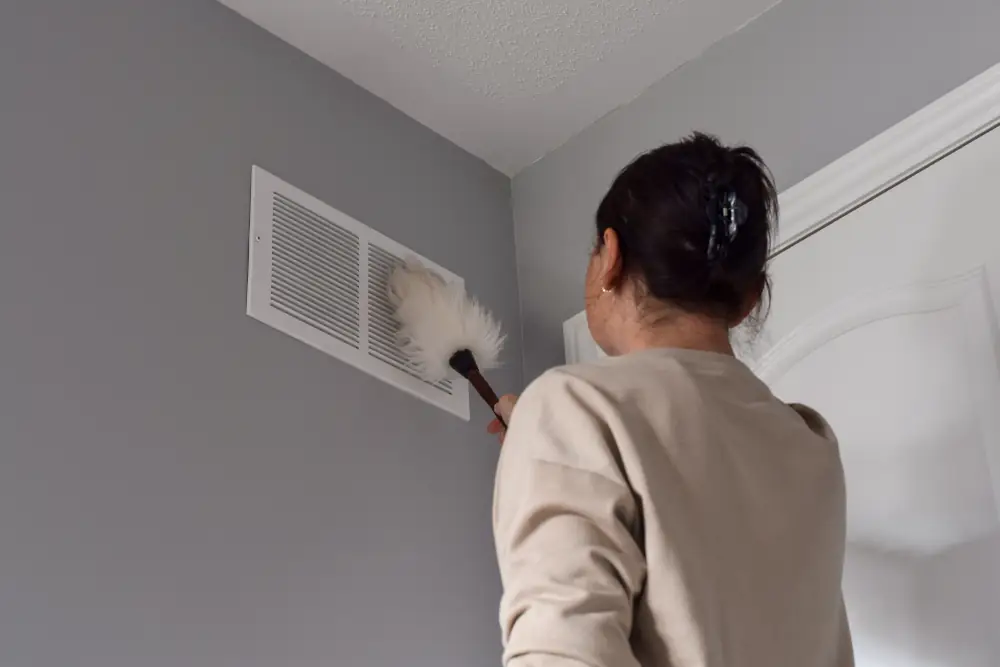
- Cleaning accessible vent covers and returns
Professional services that help prevent mold include:
- Comprehensive HVAC system maintenance
- Professional duct cleaning and sanitizing
- Proper sizing and installation of new equipment
- Duct sealing and repair
- Installation of whole-home dehumidifiers or UV light systems
For most homeowners, the best approach is a combination of regular DIY maintenance and scheduled professional service. This balanced approach ensures that all aspects of how to prevent mold in HVAC system ducts are addressed.
Seasonal Maintenance Tips to Prevent Mold in HVAC System Ducts
Different seasons bring different challenges for mold prevention. Here’s how to adapt your strategy throughout the year:
Spring maintenance should focus on preparing your system for the humid summer months. Have your air conditioner serviced to ensure proper drainage and dehumidification. Clean or replace filters that may have accumulated winter dust.
Summer vigilance is crucial when your AC runs constantly. Check condensate drains monthly and monitor indoor humidity levels closely. This is when knowing how to prevent mold in HVAC system ducts is most important.
Fall preparation involves getting your heating system ready for winter use. Have your furnace inspected and clean all components that may have gathered dust during the off-season.
Winter monitoring should include checking humidifier settings if you use one. While winter air is typically drier, homes can sometimes become too humid from cooking, showering, and humidifier use, creating conditions for mold growth.
By adjusting your maintenance routine seasonally, you can stay ahead of changing conditions that might promote mold growth in your HVAC system.
Frequently Asked Questions
Q: How often should I have my ducts professionally cleaned to prevent mold?
A: Most homes benefit from professional duct cleaning every 3-5 years. However, if you’ve had previous mold issues, live in a particularly humid climate, or have family members with respiratory sensitivities, more frequent cleaning (every 2-3 years) may be beneficial. Regular cleaning is an important part of how to prevent mold in HVAC system ducts.
Q: Can I use bleach to clean mold I find around my vents?
A: While bleach can kill surface mold on non-porous materials, it’s not recommended for HVAC components. Bleach can damage some HVAC materials and doesn’t penetrate porous surfaces where mold roots may live. Instead, use products specifically designed for HVAC cleaning or consult a professional.
Q: Will upgrading my air filter help prevent mold?
A: Yes, higher-quality filters can trap more of the particles that feed mold growth. Look for MERV ratings between 8-12 for good filtration without restricting airflow. Remember that even the best filters need regular replacement as part of your strategy for how to prevent mold in HVAC system ducts.
Q: Should I run my HVAC fan continuously to prevent mold?
A: Running the fan continuously can help in some situations by improving air circulation. However, in very humid conditions, this might actually spread moisture throughout your system. A better approach is to use the “Auto” setting and ensure your system is properly sized for your home.
How to Prevent Mold in HVAC System Ducts: Final Thoughts
Preventing mold in your home’s HVAC system requires attention and regular maintenance, but the benefits to your family’s health and your system’s longevity make it worthwhile. By controlling humidity, ensuring proper drainage, changing filters regularly, and scheduling professional maintenance, you can keep your system running clean and mold-free.
Remember that the key to effective mold prevention is consistency. Implementing these strategies as part of your regular home maintenance routine will help ensure your HVAC system continues to provide clean, healthy air for years to come.
If you’re concerned about potential mold issues or want to ensure your system is optimally protected, reach out to us at Noland Heat and Air. Our experienced technicians can inspect your system, provide professional cleaning services, and recommend custom solutions for how to prevent mold in the HVAC system ducts in your specific home. Call us today to schedule your HVAC maintenance appointment and breathe easier tomorrow.