

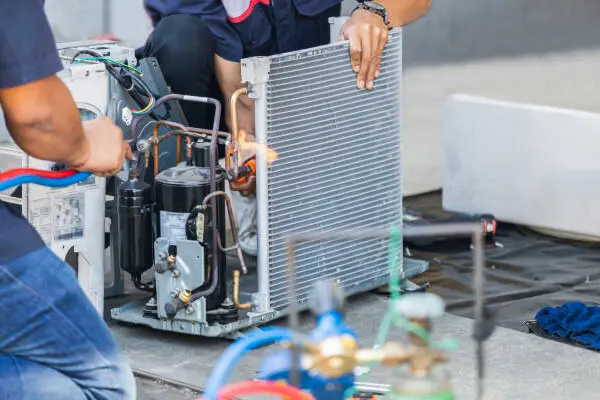
AC Compressor Failure: Symptoms, Causes, and Next Steps
Your air conditioner’s compressor is like the heart of your cooling system. When it starts to fail, your whole AC system can stop working properly. Knowing how to tell if the AC compressor is failing can save you from uncomfortable heat and expensive emergency repairs. The most common signs include warm air blowing from vents, strange noises, hard starts, circuit breaker trips, higher energy bills, refrigerant leaks, and the unit not turning on at all.
Table of Contents
7 Key Symptoms of a Failing AC Compressor
Learning how to tell if the AC compressor is failing starts with recognizing these warning signs. Your air conditioner will usually give you clues before completely breaking down.
1. Warm Air Coming From Vents
One of the clearest signs that your AC compressor might be failing is when your vents blow warm air instead of cool air. The compressor’s job is to circulate refrigerant that removes heat from your home. When it’s not working right, the cooling process breaks down.
To check this symptom, set your thermostat to a cool setting and feel the air coming from your vents. If it’s warm or room temperature even after the system has been running for a while, your compressor might be the problem.
2. Strange Noises When the AC Runs
Unusual sounds are a big clue when learning how to tell if the AC compressor is failing. A healthy compressor makes a gentle humming noise when it runs. But a failing one might make:
- Loud banging or clanking sounds
- Rattling noises
- Squealing or screeching
- Buzzing or chattering
These noises happen when internal parts wear out or break. The sounds might start quietly and get louder over time. Don’t ignore these warning signs, as they rarely fix themselves.
3. Hard Starts or Shutting Off
Does your AC struggle to turn on? Or maybe it starts but quickly shuts off? These “hard starts” are another symptom of compressor problems.
A failing compressor might need extra power to start up. This makes your AC shake or stutter when beginning its cooling cycle. You might also notice the lights in your home dim briefly when the AC tries to start. This happens because the struggling compressor draws extra electricity.
4. Circuit Breaker Trips Repeatedly
If your AC keeps tripping the circuit breaker, your compressor might be working too hard. A failing compressor often draws more electricity than normal as it struggles to function.
Check your electrical panel when the AC stops working. If the same breaker keeps tripping, this could point to compressor issues. While occasionally tripping a breaker might happen during extreme heat, frequent trips are a warning sign.
5. Higher Energy Bills
Have you noticed your electricity bills climbing even though you haven’t changed how you use your AC? This could be a sign that your compressor is failing.
When the compressor struggles, it uses more energy to do the same job. Your AC might run longer cycles or work harder to cool your home. This extra effort shows up on your energy bill. Compare your current bills to the same month last year to spot unusual increases.
6. Refrigerant Leaks or Low Refrigerant
Refrigerant leaks often happen around the compressor and can both cause and result from compressor damage. Signs of a refrigerant leak include:
- Oil spots near the outdoor unit
- Hissing sounds from the AC
- Ice forming on the refrigerant lines or the evaporator coil
- Reduced cooling performance
Refrigerant is what makes cooling possible. When levels are low, your compressor works harder and can overheat. This creates a harmful cycle that speeds up compressor failure.
7. AC Unit Won’t Turn On
In the worst case, your AC might not turn on at all. This could mean the compressor has completely failed. Before assuming the worst, check simple things like:
- Thermostat settings
- Circuit breakers
- Air filter condition
If all these checks out and your system still won’t start, the compressor might have stopped working entirely.
Common Causes of AC Compressor Failure
Understanding what causes compressor failure helps you prevent problems. Here are the most common reasons compressors fail:
Dirty Condenser Coils
The condenser coils release heat from your home to the outside. When they get dirty, heat can’t escape efficiently. This makes your compressor work harder and get hotter.
Over time, this extra strain wears out the compressor. Dirty coils are one of the most common yet preventable causes of compressor failure. Regular cleaning can extend your compressor’s life significantly.
Low Refrigerant Levels
Your AC needs the right amount of refrigerant to work properly. Low levels force the compressor to work harder with less cooling power. This creates excess heat and strain.
Refrigerant doesn’t get “used up” like gas in a car. If levels are low, there’s a leak somewhere in your system. Finding and fixing leaks early can save your compressor from damage.
Electrical Problems
Electrical issues can damage your compressor in several ways:
- Power surges during storms
- Voltage imbalances
- Failed capacitors or relays
- Wiring problems
These issues can cause the compressor motor to burn out. Installing a surge protector for your AC system can help prevent electrical damage.
Lack of Maintenance
Regular maintenance is crucial for preventing compressor failure. Without it, small problems grow into big ones. Skipping maintenance is like never changing your car’s oil—eventually, something expensive will break.
An annual professional tune-up can catch issues before they damage your compressor. This simple step might add years to your AC’s life.
Old Age and Wear
Even with perfect care, compressors eventually wear out. Most last 10-15 years with good maintenance. As they age, internal parts wear down from thousands of hours of operation.
If your AC system is over 10 years old and showing signs of compressor problems, age might be the main factor. Sometimes, replacing an aging system is more cost-effective than repairing an old compressor.
How to Diagnose AC Compressor Problems
Before calling a professional, you can do some basic checks to help determine if your compressor is failing.
Simple DIY Checks
Here are some easy ways to check for compressor issues:
- Listen to your outdoor unit: Turn on your AC and listen to the outdoor unit. A healthy compressor makes a steady humming sound. Unusual noises or silence when the fan is running could indicate problems.
- Check for vibrations: Excessive vibration of the outdoor unit might mean the compressor is struggling.
- Feel the air from vents: If the air isn’t cool after 15 minutes of operation, the compressor might not be working properly.
- Look for ice or frost: Check the refrigerant lines and coils for ice buildup, which can indicate refrigerant issues affecting the compressor.
When to Call a Professional
While DIY checks help identify potential issues, diagnosing compressor problems accurately requires professional tools and knowledge. Call a professional HVAC technician if:
- Your AC makes unusual noises
- The system trips circuit breakers repeatedly
- You notice refrigerant leaks
- The AC isn’t cooling properly
- Your energy bills have increased significantly
A technician can perform tests to determine exactly what’s wrong with your compressor. They have specialized gauges to check refrigerant pressure and electrical tools to test the compressor motor.
What the Technician Will Check
When a professional examines your AC compressor, they typically:
- Measure refrigerant pressure levels
- Test electrical components with multimeters
- Check the amperage draw of the compressor motor
- Inspect for refrigerant leaks using special detectors
- Evaluate overall system performance
These tests help determine whether your compressor can be saved or needs replacement. Getting a professional diagnosis helps you make informed decisions about repairs.
Preventing AC Compressor Failure
The best way to deal with compressor failure is to prevent it. Here’s how to keep your compressor healthy:
Regular Maintenance Schedule
Schedule professional maintenance once a year, ideally in spring before the cooling season starts. During maintenance, a technician will:
- Clean condenser coils
- Check refrigerant levels
- Test electrical components
- Inspect the compressor
- Clean or replace air filters
This routine care catches small problems before they damage your compressor. Think of it as a health check-up for your AC system.
Keep the Area Around Your AC Unit Clean
Your outdoor AC unit needs good airflow to work properly. Keep the area around it clear by:
- Removing leaves, grass clippings, and debris
- Trimming plants at least 2 feet back from all sides
- Ensuring nothing blocks the top of the unit
- Cleaning the unit’s exterior gently with a hose (with power off)
Good airflow helps the compressor run cooler and more efficiently, extending its life.
Change Air Filters Regularly
Dirty air filters restrict airflow, making your whole system work harder, including the compressor. Check your filter monthly and change it when it looks dirty, usually every 1-3 months.
This simple task improves efficiency and reduces strain on your compressor. It’s one of the easiest ways to prevent problems.
Install a Surge Protector
Power surges can damage your compressor’s electrical components. A whole-house surge protector or a dedicated AC unit surge protector helps prevent this damage.
This one-time installation can save you from expensive compressor repairs caused by electrical problems. Ask your HVAC technician about adding this protection to your system.
Repair vs. Replace: Making the Right Decision
When your AC compressor is failing, you’ll face a tough choice: repair it or replace the whole system? Here’s how to decide:
Cost Considerations
Replacing just the compressor is expensive—often $1,500 to $2,500 for parts and labor. This high cost is because:
- The compressor is the most expensive part of your AC
- Labor to replace it is time-consuming
- The system needs to be evacuated and recharged with refrigerant
In many cases, if your system is older than 8-10 years, replacing the entire AC unit might make more financial sense. A new system costs more upfront but provides better efficiency and a full warranty.
Age of Your AC System
The age of your AC system is a major factor in this decision:
- Under 5 years old: Repair is usually best, especially if under warranty
- 5-10 years old: Consider the cost of repair versus replacement and the system’s history
- Over 10 years old: Replacement is often more cost-effective
Newer systems with failing compressors might still be under warranty. Check your warranty details before making a decision.
Energy Efficiency Benefits
New AC systems are much more efficient than older models. When deciding whether to repair or replace, consider that:
- A new system might use 20-40% less energy than a 10-year-old system
- Lower monthly bills help offset the cost of replacement
- New systems use more environmentally friendly refrigerants
These efficiency gains can make replacement a better long-term choice, even if repair seems cheaper initially.
Getting Professional Opinions
Before making your decision, get at least two professional opinions. Ask each technician to explain:
- The exact problem with your compressor
- Repair options and costs
- Replacement options and costs
- Expected remaining life of your current system if repaired
Having multiple perspectives helps you make an informed choice about this significant investment.
Next Steps: What to Do When Your AC Compressor Fails
If you’ve confirmed your AC compressor is failing, here’s what to do next:
Immediate Actions
First, take these immediate steps:
- Turn off your AC system at the thermostat and circuit breaker to prevent further damage
- Contact at least two HVAC professionals for diagnosis and quotes
- Check your warranty status to see if repairs might be covered
- Consider temporary cooling solutions like fans or portable AC units if needed
Acting quickly helps prevent additional problems and keeps your home comfortable while you arrange repairs.
Finding a Qualified HVAC Technician
Not all HVAC companies are equal when it comes to compressor issues. Look for:
- Licensed and insured professionals
- Experience with your specific AC brand
- Good reviews specifically mentioning compressor repairs
- Companies that offer written estimates
- Technicians who explain the problem clearly
A qualified technician can accurately diagnose the problem and provide reliable repair or replacement options.
Questions to Ask Your HVAC Professional
When the technician arrives, ask these questions to better understand how to tell if the AC compressor is failing and what to do about it:
- “What exactly is wrong with my compressor?”
- “What caused this problem, and how can I prevent it in the future?”
- “What are all my repair options and their costs?”
- “If I replace the whole system, what size and efficiency level do you recommend?”
- “What warranties come with the repair or replacement?”
- “How long will the repair or replacement take?”
Good technicians will answer these questions clearly and help you understand your options.
Financing Options and Rebates
If you need to replace your system, ask about:
- Manufacturer rebates on new systems
- Utility company incentives for energy-efficient models
- Tax credits for high-efficiency systems
- Financing plans with low or zero interest
- Service contracts for ongoing maintenance
These options can make replacing your system more affordable and provide better long-term value.
Frequently Asked Questions
How long does an AC compressor typically last?
With proper maintenance, an AC compressor typically lasts 10-15 years. Some may last longer in mild climates with excellent care, while others might fail sooner in harsh conditions or without regular maintenance. The quality of the original installation also affects compressor lifespan.
Can I run my AC if the compressor is failing?
It’s not recommended to run your AC if you suspect the compressor is failing. Continuing to operate the system can cause more damage to other components and potentially lead to a more expensive repair. Turn off your system and call a professional if you notice signs of compressor failure.
How much does it cost to replace an AC compressor?
Replacing just the compressor typically costs between $1,500 and $2,500, including parts and labor. However, if your system is older, many professionals recommend replacing the entire outdoor unit or the whole system instead, which can cost $3,000 to $7,000, depending on size and efficiency.
Is a noisy compressor always a sign of failure?
Not all compressor noises indicate imminent failure. Some noises might be caused by loose parts, debris, or minor issues that can be repaired. However, grinding, screeching, or banging noises usually indicate serious problems that need immediate attention. Any unusual noise warrants a professional inspection.
Can I prevent my AC compressor from failing?
Yes, you can significantly reduce the risk of compressor failure by:
- Scheduling annual professional maintenance
- Changing air filters regularly
- Keeping the outdoor unit clean and clear of debris
- Installing a surge protector
- Addressing small problems before they become serious
How can I tell if my AC compressor is just struggling or has completely failed?
A struggling compressor might still provide some cooling, make unusual noises, or cause the system to cycle on and off frequently. A completely failed compressor won’t provide any cooling, and the outdoor unit might not run at all (though the fan might still work). Only a professional can determine for certain if the compressor has completely failed.
Are AC compressor problems covered under warranty?
Many manufacturers offer 5-10-year warranties on compressors. However, warranty coverage typically requires proof of regular maintenance and professional installation. Check your warranty documentation or contact the manufacturer with your model and serial number to verify coverage. Labor costs might not be covered even if parts are.
Conclusion: Staying Cool When Your Compressor Acts Up
Knowing how to tell if the AC compressor is failing helps you catch problems early and make smart decisions about repairs. By recognizing the warning signs—like strange noises, warm air, or higher energy bills—you can take action before a small issue becomes a major breakdown.
Remember that regular maintenance is your best defense against compressor failure. A little preventive care goes a long way toward extending your AC system’s life and keeping your home comfortable year after year.
If you’re experiencing any signs of compressor problems, don’t wait until your system stops working completely. Contact a qualified HVAC professional today to diagnose the issue and discuss your options. A quick response now could save you from sweating through a complete system failure later.
Ready to Solve Your AC Compressor Problems?
Don’t let a failing compressor leave you in the heat. Noland Heat and Air can diagnose your AC issues, explain your options clearly, and help you make the best decision for your home and budget. Contact us today to schedule a professional inspection and get your cooling system back to peak performance!