

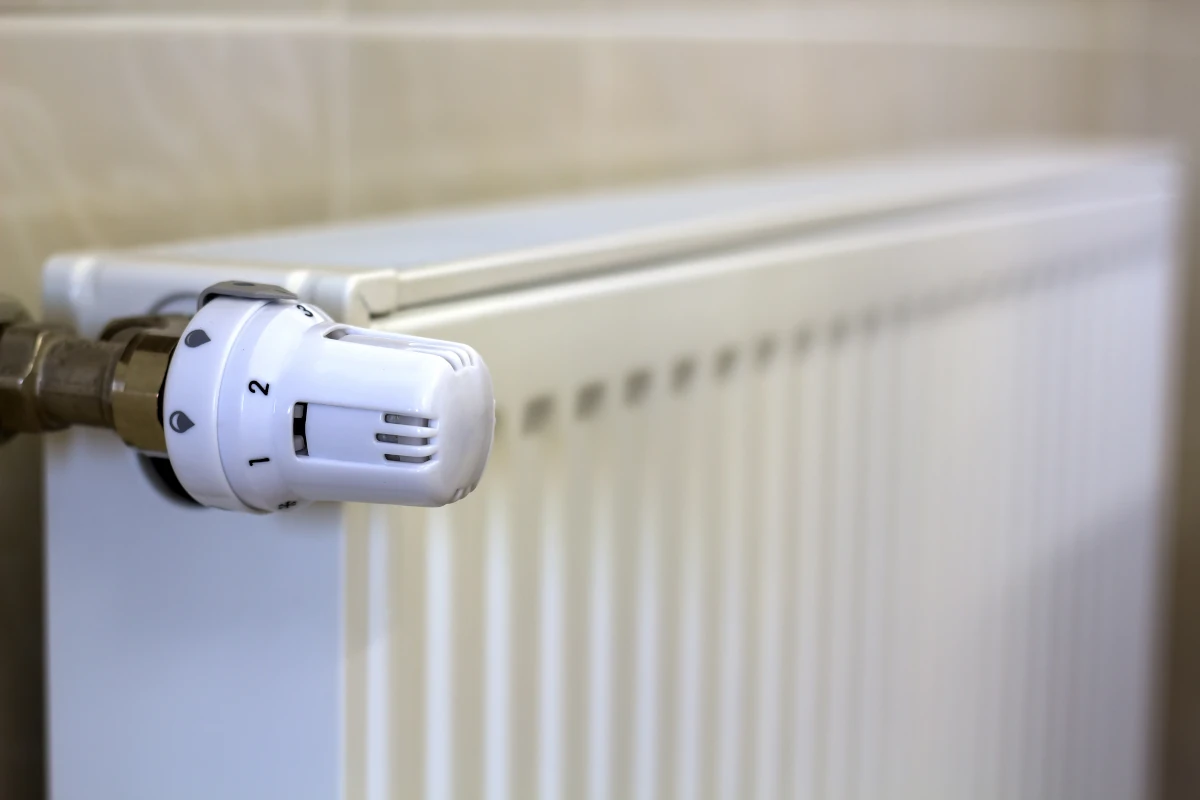
Boost Your Home’s Energy Efficiency
It’s that time of year again. The leaves are changing, there’s a crispness in the air, and you’re starting to think about cranking up the heat. But with energy costs on everyone’s mind, a common question pops up: Should you turn off your heating when leaving? It’s a simple question with a not-so-simple answer.
Balancing comfort and savings is a tricky act. Should you turn off your heating when leaving for a few hours, or just lower the thermostat setting? Or maybe maintaining a constant temperature is the most efficient approach. We’ll break down the factors, look at the science, and help you decide what’s best for your wallet and your warmth, keeping you warm while saving money.
The Great Thermostat Debate: On, Off, or Down?
Let’s tackle this age-old question head-on. There are several ways to manage your heating, and the right choice depends on how long you’ll be away, your home’s insulation, and considering the temperature drops that might occur.
Turning Your Heating Completely Off
This may seem appealing. After all, why pay for heat when you’re not there to enjoy it? It makes intuitive sense.
However, for those in freezing temperatures, turning off the heat completely can lead to frozen pipes. Burst pipes and the resulting water damage can lead to major repair costs, outweighing any savings on heating bills.
For extended absences, a completely unheated home can cause additional problems. These problems can range from moisture and pests to increased risk of water leaks and property damage. Think about keeping warm, even when you’re not home, to prevent these issues.
Lowering the Thermostat: Finding the Right Balance
This middle-ground approach strikes a balance between saving energy and keeping your home at a moderate level of warmth. By lowering your thermostat even a few degrees, you can still be effective in saving energy without risking frozen pipes.
According to the Department of Energy, reducing your thermostat setting 7-10 degrees Fahrenheit for eight hours a day can lower energy bills by roughly 10% per year. This strategy works year-round, whether it’s cold winter months and you’re relying on oil or natural gas for heat, or if you want to lower your air conditioning costs during the summer months.
How much can you save on your air conditioning repair during the summer? HVAC expert Patrick Walsh suggests that lowering your air conditioner by just 2 degrees and adding another layer of clothing can result in even more energy savings. For many, 68°F (20°C) during the day and about 55°F (13°C) while out or asleep is a good balance between cost and comfort during colder weather.
Maintaining a Constant Temperature: Is Steady the Way to Go?
Maintaining a constant temperature offers consistent comfort. However, some argue it can be more costly in the long run and cause your furnace to work harder or overwork your air conditioner, leading to potential wear and tear.
How often should you adjust your heat? It depends on several factors: outside temperatures, climate, how long you’re away, and the risk of pipes freezing. How do you ensure indoor air quality in a constantly heated or cooled environment?
This constant temperature approach can be more costly and may put extra strain on your system. Consider these points when making your decision about leaving your heating running constantly.
| Heating Strategy | Best For | Pros | Cons |
|---|---|---|---|
| Off | Short absences in mild climates, saving money. | Maximum energy savings. | Risk of frozen pipes, uncomfortable return. |
| Lowered | Most situations. Balancing comfort and savings. | Significant energy savings, avoids temperature extremes. | Requires some adjustment upon return. |
| Constant | Homes with poor insulation, temperature-sensitive occupants. | Consistent comfort. Maintaining indoor air quality. | Higher energy bills, potential strain on the system. Consider air conditioning repair if overused. |
Should You Turn Off Your Heating When Leaving: Additional Tips
Beyond the main question, other factors influence heating efficiency, such as maintaining hot water temperature with a water heater and taking measures against potential burst pipes.
Boosting Energy Efficiency
Simple fixes like weather-stripping can significantly reduce drafts. This keeps the heat where it belongs—inside your home. A programmable thermostat simplifies temperature management, particularly during long periods when you might forget to adjust it manually.
Programmable thermostats make temperature adjustments easy, allowing for customized settings and schedules. While not as impactful as proper insulation or weather-stripping, programmable thermostats offer more control over your heat pump’s energy consumption compared to manual adjustments.
Programmable Thermostats
Programmable thermostats offer scheduled temperature changes tailored to your routine. You can heat things up before you get out of bed, avoiding a cold house and cold feet in winter. This automated approach saves you the hassle of manual adjustments. They’re helpful in both winter and summer, maximizing comfort and energy savings no matter the season. These devices allow you to efficiently manage energy costs whether you are considering whether to leave heating on or air conditioning for pets during the hot summer months.
Consider this: how long will you be gone and do you want to be sure you can set a temperature and have house maintain it during your long periods of absence. This offers peace of mind especially when away, as pipes burst issues often cause property damage when you are out. The utility bills will fluctuate with use and even help manage air quality to give the perfect temperature for even a wine cellar.
They even help ensure energy efficiency when considering heat pumps and save money on potential air conditioning repairs by regulating the strain on these heating units. You can optimize the home’s temperature no matter how long you are away by avoiding letting the temperature drop low in the winter so the pipes freeze or leaving the air conditioner run non-stop and risk repair bills.
Conclusion
So, should you turn off your heating when leaving? The answer depends on your individual circumstances, climate, length of absence, and several other factors. Factors such as how often should you adjust your heat, whether to turn water off, or whether you have radiant floor heating, are things to keep in mind when looking for savings.
This guide has provided information for those seeking advice regarding leaving heat on when you are out for just the work day versus long periods away from home like vacationing.
Everyone’s needs and homes vary greatly. This includes appliances, insulation levels, whether you should schedule service to check on filters, how well your HVAC units are running efficiently, what temperatures to use if you want to save energy and money heating but not let pipes freeze, and how you will set the temperature when you’re asleep.
The most energy savings occurs by lowering your set temperature even a few degrees, however doing so even more, though providing even more savings, may require hvac services for repairs due to pipes bursting from getting too cold.
It’s a personalized decision. The key factors to consider are your own needs, your climate, and the question: should you turn off your heating when leaving?
Contact us today for more information or to schedule a free consultation.