
Ensure Exceptional Heating Efficiency
Brrr, it’s cold outside, and your heating bill is making you sweat more than a summer marathon. We get it. Nobody wants to sacrifice comfort, but high energy costs can put a strain on the budget. So, why is your bill higher than a giraffe’s neck? This post will discuss the top 3 reasons for high heating bills and what you can do about them.
Figuring out the common reasons for high heating bills can feel like detective work. But once you understand these hidden energy suckers, you can start saving money during the winter months. Let’s look at some practical steps you can take to reduce energy consumption.
Top 3 Reasons for High Heating Bills
1. Inefficient Furnace
An inefficient furnace is a classic culprit for high heating bills. Just like a car, your furnace needs routine maintenance to stay running efficiently. Think of all those working parts that have probably never been professionally cleaned.
Skipping annual tune-ups can decrease the average lifespan of your system and increase energy usage during peak seasons, impacting nearly two-thirds of average energy bills. It’s like running a marathon with weights on, leading to unnecessary strain and higher costs.
An HVAC technician can perform essential maintenance and diagnose worn-out parts before winter truly hits, addressing leaks, carbon monoxide leaks, and worn components. These small tweaks today can prevent high bills later.
2. Air Leakage
Old, drafty windows and doors are money pits that let your cool air (and hard-earned money) vanish without a trace during the summer heat. You should also check exterior frames for cracks.
Air leaks are a huge source of wasted energy, letting precious heated air escape quickly, impacting your energy costs. You’ll be turning up your heater to warm your house and wasting tons of energy to fight air leaks, potentially encountering insulation issues along the way.
Caulking and weather-stripping around windows adding insulation can help prevent those pesky drafts from inflating your utility bills. Sealing windows and ensuring that doors happen to be adequately sealed is key to preserving cool air.
Adding insulation can significantly reduce heating costs by up to 15% on overall utility bills. Proper insulation helps maintain comfortable room temperatures and prevent the furnace from working overtime, contributing to energy efficiency. Check for air leakage in older homes, which may require adding insulation to stay warm.
3. Vampire Energy Drain
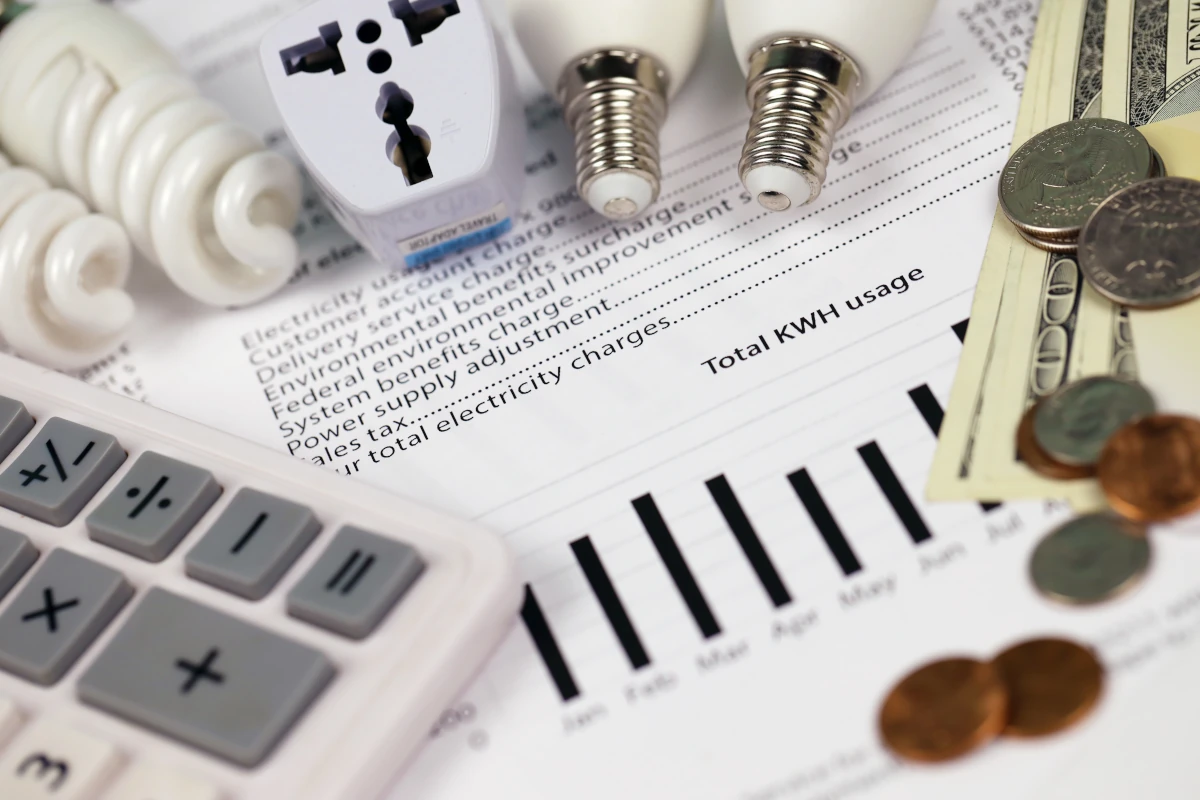
Did you know those devices you leave plugged in are secretly sucking your money away? Even when turned off, plugged-in devices and appliances continue consuming energy, leading to higher energy bills and impacting cooling costs.
This includes those seemingly innocent chargers, TVs, and coffee makers. Consider unplugging light bulbs, heat pumps, water heaters, air conditioners, space heaters and anything else when not in use. By minimizing the use of unnecessary appliances and electronic devices, you can also save energy and lower high bills.
Devices like cellphone or computer chargers account for “vampire sources” which represent 5% to 10% of your monthly energy use, especially if plugged in with nothing connected to them. This can lead to high bills.
These “vampire sources” drain electricity even when turned off, acting as tiny money leaks throughout the house. These energy-efficient appliances secretly contribute about 5% to 10% of your residential electricity usage.
Look at your appliances and consider how much energy they’re using. Plugging everything into a power strip and switching it off when not in use can save energy, potentially avoiding the need for emergency services.
Conclusion
High heating bills got you down? You’re not alone. Millions of people experience sticker shock during the winter months and when the summer heat hits. By addressing the top 3 reasons for high heating bills—inefficient furnaces, air leaks, and vampire appliances—you can lower your bill, prevent it from rising, and save hundreds per year in energy usage.
Contact us today for more information or to schedule a free consultation.