

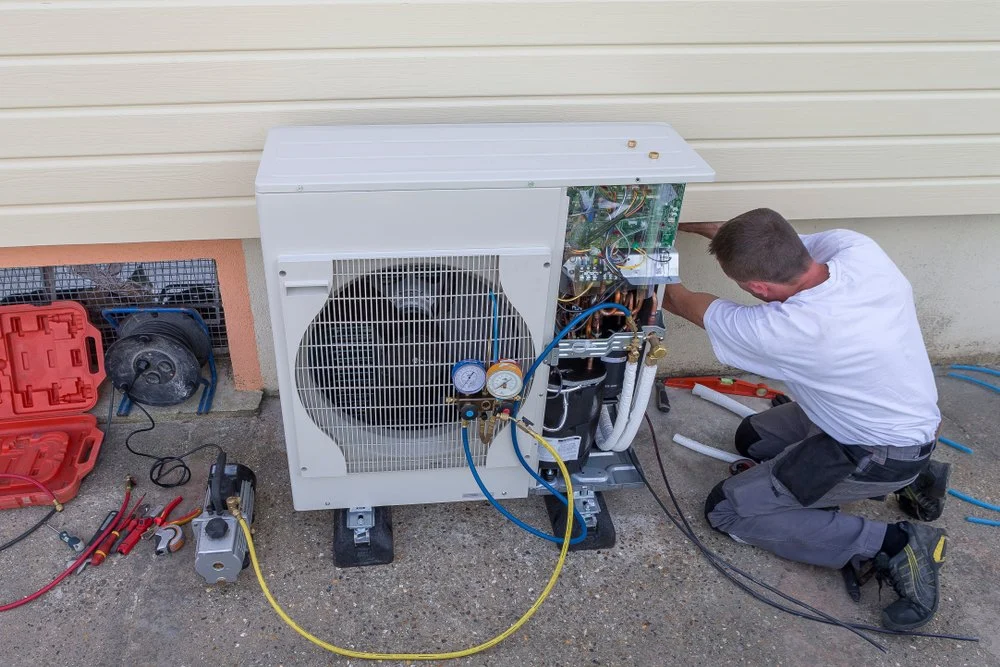
Why Your Heat Pump Isn’t Defrosting in Cold Weather
When your heat pump isn’t defrosting during freezing weather, it’s usually because of a faulty defrost control board, broken sensors, or dirty coils. These problems prevent the automatic defrost cycle from working properly. When ice builds up on your outdoor unit, it blocks airflow and makes your system work harder. This causes higher energy bills and can damage your heat pump. You can try some simple fixes like clearing debris, checking sensors, or resetting the system before calling a professional.
Table of Contents
| Common Defrosting Problems | Possible Causes | DIY Solutions |
|---|---|---|
| Ice buildup on coils | Dirty coils, blocked airflow | Clear debris, gentle cleaning |
| Defrost cycle not starting | Faulty control board, bad sensors | Check sensors, reset system |
| Incomplete defrost cycles | Timer issues, refrigerant problems | Reset system, call professional |
| System freezing too quickly | Low refrigerant, fan problems | Check fan operation, professional help |
How Heat Pump Defrost Cycles Should Work
Your heat pump has a special defrost cycle that should kick in automatically when ice forms. During normal operation in cold weather, some frost on the outdoor unit is normal. But your heat pump should detect this and start a defrost cycle.
When working correctly, the defrost cycle reverses the refrigerant flow. This sends hot refrigerant to the outdoor coil to melt ice. During defrosting, you might notice:
– The outdoor fan stops spinning
– Steam rising from your outdoor unit
– A slight pause in heating
– Your backup heat source turning on temporarily
A normal defrost cycle lasts 5-15 minutes and should happen automatically whenever needed. If your heat pump isn’t defrosting properly, something in this process has gone wrong.
7 Common Reasons Your Heat Pump Isn’t Defrosting
1. Faulty Defrost Control Board
The defrost control board is like the brain of your defrost system. It decides when to start and stop the defrost cycle. When this board fails, your heat pump won’t know when to defrost.
Signs of a bad control board include:
– Ice is building up even in mild temperatures
– Defrost cycles never starting
– Defrost cycles starting but stopping too soon
The control board usually needs professional replacement, but it’s a common fix for defrost problems.
2. Defrost Sensor or Thermostat Issues
Your heat pump uses sensors to detect when ice is forming. These sensors measure the temperature of the outdoor coil. When they break or get covered in dirt, they can’t do their job.
Bad sensors might:
– Fail to detect ice buildup
– Trigger defrost cycles when not needed
– Give incorrect temperature readings
Sometimes, simply cleaning the sensors can fix the problem. In other cases, they need replacement.
3. Dirty or Blocked Outdoor Coils
When your heat pump isn’t defrosting, check for dirt and debris on the outdoor unit. Leaves, dirt, and other debris can block airflow and make ice problems worse.
Dirty coils:
– Trap moisture that freezes more easily
– Block heat transfer needed for defrosting
– Make your system work harder
You can gently clean the outside of the coils with a garden hose (with the power off). Don’t use high pressure that might bend the fins.
4. Refrigerant Level Problems
The right amount of refrigerant is crucial for proper defrosting. If levels are too low (from a leak) or too high (from improper charging), your heat pump won’t defrost correctly.
Signs of refrigerant problems include:
– Ice forming in unusual patterns
– System running constantly but not heating well
– Hissing sounds from the outdoor unit
Refrigerant issues always require professional help. Never try to add refrigerant yourself.
5. Faulty Reversing Valve
The reversing valve switches your heat pump between heating and cooling modes. It also helps during defrost cycles by reversing refrigerant flow. When this valve sticks or breaks, defrosting fails.
A bad reversing valve might cause:
– Incomplete defrost cycles
– Strange noises during attempted defrost
– System stuck in one mode
This is another repair that needs professional attention.
6. Timer or Clock Issues
Some heat pumps use timers as part of their defrost control. If these timers malfunction, defrost cycles might not start when needed or might cut off too soon.
Timer problems can cause:
– Defrost cycles at the wrong times
– Cycles that are too short to melt ice
– No defrost cycles at all
Resetting your system might help with timer issues, but replacement is often needed.
7. Fan Motor Problems
During normal operation, the outdoor fan helps transfer heat. During defrost cycles, this fan should stop. If the fan keeps running during defrost, it blows cold air over the coil and fights against the defrosting process.
Fan issues include:
– Fan running when it should be off during defrost
– Fan not running during normal operation
– Fan making unusual noises
Fan motors often need professional replacement when they fail.
How to Tell If Your Heat Pump Isn’t Defrosting Properly
Not sure if your heat pump has a defrosting problem? Here are clear signs to watch for:
Visual Signs of Defrost Problems
The most obvious sign is visible ice buildup. Some frost is normal in cold weather, but thick ice covering the entire outdoor unit is a problem. Look for:
– Ice more than 1/4 inch thick
– Ice covering the entire coil area
– Ice that doesn’t melt for days
– Ice forming on refrigerant lines
If you see these signs, your heat pump isn’t defrosting as it should.
Performance Signs
When your heat pump isn’t defrosting, you’ll notice changes in how it works:
– Less heat coming from vents
– System running constantly
– Higher electric bills
– Home not reaching set temperature
– More use of backup heat sources
These performance issues happen because ice blocks airflow and heat transfer, making your system work harder for less heating.
DIY Solutions When Your Heat Pump Isn’t Defrosting
Before calling a professional, try these simple fixes that might solve your defrost problems:
Safe Ways to Remove Ice
If you see ice buildup, you can:
1. Turn off the heat pump at the thermostat
2. Switch to “emergency heat” mode if available
3. Wait for a warmer day when some melting might occur naturally
4. Never use sharp objects to chip ice – this can damage coils
5. Never pour hot water on the unit – this can cause thermal shock
Let the ice melt naturally when possible. Forcing it can damage your system.
Check and Clear Debris
Simple cleaning can sometimes fix defrost issues:
1. Turn off power to the outdoor unit
2. Remove leaves, grass, and debris around the unit
3. Ensure at least 2 feet of clearance around all sides
4. Gently spray the outside of the coils with water (not high pressure)
5. Check that nothing blocks airflow through the unit
This basic maintenance can prevent many defrost problems.
Reset Your System
Sometimes a simple reset can fix electronic glitches:
1. Turn the system off at the thermostat
2. Turn off power at the circuit breaker
3. Wait 5-10 minutes
4. Restore power at the breaker
5. Turn the system back on at the thermostat
This can reset the defrost control board and might solve temporary issues.
Check Thermostat Settings
Make sure your thermostat isn’t causing the problem:
1. Verify the system is set to “heat” (not “cool” or “off”)
2. Check that fan setting is “auto” (not “on”)
3. Make sure temperature setting is reasonable
4. If you have a smart thermostat, check for error codes
Incorrect settings can sometimes prevent proper defrost cycles.
When to Call a Professional for Heat Pump Defrost Issues
While DIY steps can help with minor issues, some defrost problems need professional help. Call a technician if:
– Ice returns quickly after melting
– You’ve tried basic fixes with no improvement
– Your system makes unusual noises
– You notice refrigerant leaks (oil spots or hissing)
– Your energy bills have increased dramatically
– The system short-cycles (turns on and off frequently)
A professional can safely diagnose and repair problems with:
– Refrigerant levels
– Electrical components
– Defrost control boards
– Sensors and thermostats
– Reversing valves
– Fan motors
These repairs require special tools, training, and in some cases, EPA certification (for refrigerant handling).
Preventing Future Heat Pump Defrost Problems
The best way to avoid defrost issues is prevention. Here’s how to keep your heat pump defrosting properly:
Regular Maintenance
Schedule professional maintenance once or twice yearly. A technician will:
– Clean coils thoroughly
– Check and adjust refrigerant levels
– Test defrost controls
– Inspect electrical connections
– Verify sensor operation
This preventive care catches problems before they lead to defrost failures.
Homeowner Maintenance
Between professional visits, you can:
– Keep the area around your outdoor unit clear
– Gently remove debris from the unit
– Change indoor air filters monthly
– Monitor for unusual ice buildup
– Listen for strange noises
These simple steps help maintain proper airflow and system function.
Proper Installation Matters
If you’re replacing your heat pump, proper installation prevents many defrost problems:
– Correct unit sizing for your home
– Proper refrigerant charging
– Adequate clearance around the unit
– Proper elevation above ground level
– Correct electrical connections
Always use qualified professionals for heat pump installation.
Frequently Asked Questions About Heat Pump Defrosting
Is it normal for my heat pump to have some ice on it?
Yes, a light frost or thin layer of ice is normal during very cold weather. However, thick ice covering the entire unit or ice that doesn’t melt for days indicates a problem. Normal frost should be cleared by regular defrost cycles.
How often should my heat pump defrost?
This varies based on weather conditions and humidity. In freezing temperatures, a properly functioning heat pump might defrost every 30-90 minutes. Each defrost cycle typically lasts 5-15 minutes. More frequent or very infrequent cycles can indicate problems.
Why does my heat pump blow cold air during defrost?
This is normal. During defrost, your heat pump temporarily reverses operation, which pauses heating. Your backup heat source should activate during this time. If cold air continues after 15 minutes, there might be a problem with the defrost cycle completion.
Can I manually defrost my heat pump?
There’s no safe DIY method to force a defrost cycle. Some thermostats have a “defrost” setting, but this varies by model. The safest approach is to switch to emergency heat and let ice melt naturally, then address the underlying cause of defrost failure.
Will a heat pump cover or shelter prevent freezing?
No, covers or shelters can actually make defrost problems worse by restricting airflow. Your heat pump needs proper air circulation. Instead, ensure the unit is installed on a proper pad that elevates it above snow level and allows for drainage.
Get Your Heat Pump Defrosting Properly Again
When your heat pump isn’t defrosting, it can’t heat your home efficiently. Ice buildup blocks airflow and strains your system, leading to higher energy bills and potential damage. The good news is that many defrost problems have simple solutions.
Start with the basic checks we’ve covered: clear debris, check for visible ice, and try a system reset. If these steps don’t help, it’s time for professional assistance. Defrost problems related to refrigerant, electrical components, or mechanical parts need expert repair.
Don’t wait until your heat pump stops working completely. If you’re experiencing defrost issues, contact Noland Heat and Air today to schedule a service appointment. Our experienced technicians can diagnose and fix your heat pump defrost problems quickly, restoring your comfort and saving you money on energy costs.