
There’s nothing quite as unsettling as that first blast of cold air from your furnace when you expect warmth. A furnace blowing cold air is a common problem, especially as the seasons change and our heating systems kick back into gear. But figuring out *why* it’s happening—that’s often the tricky part. Is it a simple fix you can handle yourself, or time to call in a qualified HVAC technician for furnace repair? Don’t worry, you’re in the right place.
Decoding the Cold Air Mystery: Common Culprits
Before we panic, it’s important to remember that a furnace blowing cold air doesn’t always signal a major issue. Sometimes, the cause is simple, even a bit obvious. Other times, the culprit might be lurking within your ductwork or hidden within the furnace itself.
1. Thermostat Troubles: The Unsuspecting Saboteur
First things first, let’s check the control center of your heating system—the thermostat. A thermostat set to “on” rather than “auto” can be the issue. This setting will run the furnace fan but skip the heating part. You can try increasing the temperature setting to resolve this. Also, make sure it’s actually switched over from “cool” to “heat”. It happens to the best of us.
2. Air Filter Obstruction: Choking the Flow
Think of your furnace’s air filter as its lungs. A dirty air filter is one of the most frequent culprits behind a furnace blowing cold air. If it’s clogged with dust and debris, it restricts the airflow to the furnace.
A clogged filter can also cause the furnace to overheat and shut down as a safety measure. This leaves you with a blast of cold air instead of comforting warmth. Imagine trying to breathe through a straw stuffed with cotton balls—not easy, right? Your furnace struggles similarly with a dirty air filter. Replacing your air filter regularly, especially before you start using your heater, can prevent this problem entirely.
3. Pilot Light Problems: An Old Flame Goes Out
While less common in newer furnace models with electric ignition systems, a pilot light issue can be the root cause of your cold air woes. In older furnaces, the pilot light is a small flame that stays lit, igniting the burners when the thermostat signals for heat.
If your furnace has a pilot light and it’s out, the furnace won’t be able to heat properly. This could be caused by a faulty thermocouple or a buildup of dirt and debris around the pilot light.
4. Ductwork Leaks: Where Warmth Escapes
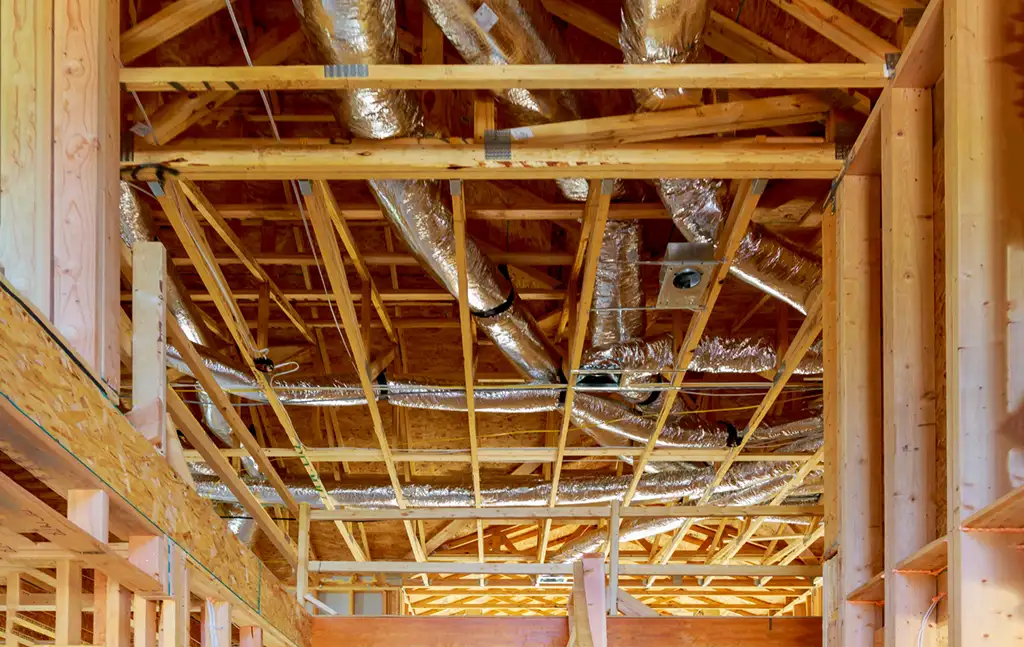
Your home’s ductwork acts as a highway for heated (or cooled) air, transporting comfort to every room. But just like potholes and cracks in a real highway, leaking ducts can cause major disruptions. When ductwork has leaks, holes, or poor connections, the warm air your furnace worked so hard to produce might be escaping into your attic, crawl spaces, or walls instead of reaching your living spaces.
This results in a less efficient system and potentially, a significant amount of wasted energy and money—not to mention those unwelcome bursts of cold air. In fact, according to Energy Star, leaking ductwork in a typical home can lead to a loss of 20% to 30% of the air moving through the system. Sealing any air leaks in your ductwork can significantly improve your furnace’s efficiency.
5. The Flame Sensor: A Safety Feature with a Sensitive Side
Modern furnaces prioritize safety, and that’s where the flame sensor comes in. This nifty component’s role is crucial: to detect the flame from the gas burner and shut the furnace down if no flame is present when the gas valve is on. While this safety device prevents dangerous gas leaks, a malfunctioning flame sensor might shut off the furnace even when a flame is present.
This happens if the sensor is dirty or damaged and can’t properly sense the heat, again leaving you shivering under a flow of cold air. Cleaning or replacing a faulty flame sensor is usually a job for a professional HVAC technician.
6. Gas or Oil Supply Issues: The Fuel That Drives the Warmth
This one seems pretty self-explanatory—a furnace needs a continuous fuel source to generate heat. A problem with the gas supply, like a low supply or a complete shutoff, can result in your furnace blowing cold air. Oil furnaces may experience similar problems if the oil supply is low or if a clog in the oil filter is obstructing the flow of fuel to the burners. And remember to pay your utility bills; sometimes the reason is as simple as that.
7. Delayed Furnace Warm-Up: Give It a Minute
Just like your car engine needs a moment to warm up on a chilly morning, some furnaces don’t instantly produce hot air when first switched on. There might be a short delay as the system fires up and the heat exchanger warms up. But, if that initial blast of cold air persists for more than a few minutes, you’ll know something’s not quite right.
8. Computerized Control Issues: When the Brains Go Haywire
Many modern furnaces rely on sophisticated control boards—the brains behind the heating operation. If there’s a glitch or malfunction with the control board, it can lead to all sorts of unpredictable behaviors, including a furnace blowing cold air. These boards are complex, and diagnosing issues with them requires a trained professional.
9. Malfunctioning Limit Switch
The limit switch is a safety device in your furnace that prevents it from overheating. It’s usually located near the heat exchanger. If the limit switch malfunctions, it can cause the furnace to shut off prematurely, resulting in cold air blowing from your vents. This could happen if the switch is faulty, or misaligned, or if there’s a problem with the wiring.
10. Faulty Gas Valve
The gas valve controls the flow of gas to the burners. If it’s not functioning properly, it can disrupt the heating cycle and cause your furnace to blow cold air. A faulty gas valve can be dangerous and should only be handled by a qualified HVAC technician.
11. Malfunctioning Blower Motor
The blower motor is responsible for circulating the warm air throughout your home. If the motor is failing or if the blower fan is damaged or obstructed, it won’t be able to effectively distribute the heat. This can result in weak airflow or, in some cases, cold air blowing from the vents.
Troubleshooting Tips
If you find yourself facing a blast of cold air from your furnace, here’s a quick troubleshooting guide to help you identify the culprit:
Problem | Possible Causes | Troubleshooting Steps |
|---|---|---|
Furnace blowing cold air |
|
|
The furnace blowing cold air intermittently |
|
|
The furnace running constantly but not heating |
|
|
When to Call in the Pros
While some furnace issues can be addressed with simple DIY solutions, there are times when it’s best to leave it to the professionals. If you suspect your furnace problem is beyond a simple fix, it’s crucial to call in an experienced HVAC technician. Attempting to repair complex furnace issues without proper knowledge and training can be dangerous and may even void your furnace’s warranty.
Here are a few signs that it’s time to call in the experts:
- You smell gas or burning odors.
- Your furnace is making unusual noises, such as banging, screeching, or rattling.
- You’ve tried basic troubleshooting, and the problem persists.
- You suspect a problem with the gas line, heat exchanger, or control board.
Forget About Your Furnace Blowing Cold Air
A furnace blowing cold air is an unwelcome surprise, especially when you depend on it for comfort. By understanding the usual suspects, you can troubleshoot simple problems yourself. But sometimes, even with the best intentions and DIY spirit, it’s best to bring in experienced HVAC professionals for a diagnosis and solution. They’ll pinpoint the cause and get your furnace back to its job: keeping your home warm and comfortable.
The specialists at Noland Heat & Air can help you address all furnace issues in your home without any complications! Contact us today for more information or to schedule a free consultation.