

The Smart Choice for Year-Round Comfort
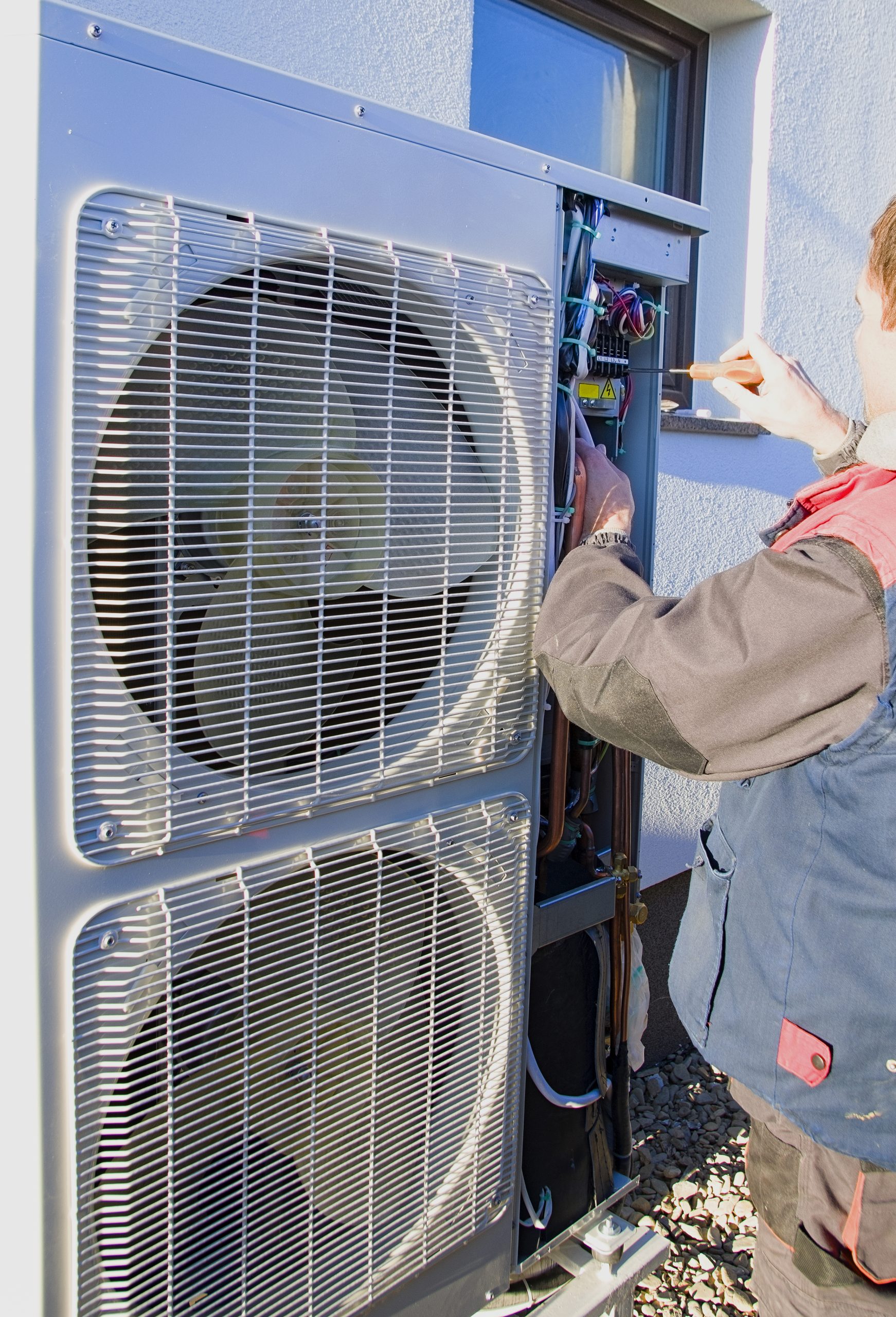
Heat pumps are an energy-efficient alternative to traditional heating and cooling systems. Unlike furnaces or air conditioners, which generate heat or cool air separately, heat pumps transfer heat to regulate indoor temperatures. During winter, they extract heat from the outdoor air (even in cold conditions) and bring it inside. In summer, the process reverses, removing heat from your home to keep it cool.
There are three main types of heat pumps:
- Air-Source Heat Pumps: These extract heat from the air and are the most common type used in residential settings.
- Ground-Source (Geothermal) Heat Pumps: These draw heat from the ground, offering high efficiency and stable performance in all seasons.
- Water-Source Heat Pumps: These use a water source such as a lake or well to exchange heat.
1. Energy Efficiency That Lowers Utility Bills
One of the biggest reasons to switch to a heat pump is its energy efficiency. Traditional heating systems, like gas furnaces, burn fuel to generate heat, while heat pumps use electricity to move heat. This process consumes significantly less energy, leading to lower electricity bills. According to the Department of Energy, homeowners can save up to 50% on heating costs by switching to heat pumps.
In addition, many modern heat pumps feature variable-speed compressors that allow them to adjust output according to demand. This ensures optimal performance and further reduces energy consumption compared to systems that operate at full blast all the time.
2. Year-Round Comfort with One System
Why maintain separate heating and cooling systems when you can have one that does both? Heat pumps provide heating in winter and cooling in summer, making them an all-in-one solution. Their advanced technology ensures consistent indoor temperatures without the energy waste of traditional systems.
Moreover, heat pumps eliminate the need for combustion-based heating, reducing the risks associated with gas leaks and carbon monoxide poisoning. This makes them an ideal choice for households prioritizing safety and efficiency.
3. Eco-Friendly Heating & Cooling
Heat pumps are an environmentally friendly option because they don’t rely on fossil fuels. Instead, they harness natural heat energy from the air, ground, or water sources. By reducing reliance on gas or oil, heat pumps help lower carbon emissions, making them a sustainable choice for the planet.
Additionally, some modern heat pumps use refrigerants with lower global warming potential (GWP), further reducing their environmental impact. With increasing emphasis on green energy, upgrading to a heat pump aligns with a sustainable lifestyle.
4. Improved Indoor Air Quality
Unlike furnaces, which can produce dry air and circulate dust or allergens, heat pumps help maintain better indoor air quality. They use built-in filtration systems to reduce airborne particles, allergens, and humidity, leading to a healthier home environment.
For those with allergies or respiratory conditions, heat pumps provide a gentler and cleaner air circulation system, ensuring a comfortable and breathable indoor space.
5. Quieter and More Comfortable Operation
Heat pumps are designed to run quieter than traditional HVAC systems. With modern inverter technology, they adjust their output gradually, avoiding the loud cycling on and off that comes with conventional heating and cooling units. This means a more peaceful home environment without sudden temperature fluctuations.
In addition, heat pumps operate at a lower decibel level, making them an excellent choice for homeowners who prefer a quiet and comfortable living space.
6. Potential Rebates and Incentives
Many governments and utility companies offer rebates and tax incentives for homeowners who upgrade to energy-efficient heat pumps. These incentives can help offset the initial investment, making it even more affordable to switch.
By checking with local energy providers, homeowners can take advantage of financial incentives while also contributing to energy conservation efforts.
7. Long-Term Durability and Lower Maintenance
Heat pumps typically have a longer lifespan than traditional HVAC systems, especially when maintained properly. Since they don’t rely on combustion, they experience less wear and tear over time, reducing the need for frequent repairs and maintenance.
Regular maintenance, such as cleaning filters, checking refrigerant levels, and inspecting coils, ensures optimal performance and extends the unit’s lifespan. Many manufacturers also offer extended warranties, providing peace of mind for homeowners making the switch.
8. The Role of Smart Technology in Heat Pumps
Modern heat pumps integrate with smart thermostats and home automation systems, allowing homeowners to optimize energy use. With remote control options, users can adjust their home’s temperature settings from anywhere, further enhancing efficiency and convenience.
Is a Heat Pump Right for You?
If you’re looking for an energy-efficient, eco-friendly, and cost-effective solution for heating and cooling, a heat pump is worth considering. Whether you want to lower energy bills, improve comfort, or reduce your carbon footprint, upgrading to a heat pump is a smart investment for the future.
For homeowners living in regions with moderate climates, heat pumps provide optimal performance and savings. However, even in colder areas, modern advancements in cold-climate heat pumps ensure reliable heating even in subzero temperatures.
Make the Switch to a Heat Pump Today!
Ready to experience the benefits of heat pumps? Contact a trusted HVAC professional from Noland Heating and Air to discuss installation options and find the right model for your home. Upgrade now and enjoy year-round comfort with energy savings!