

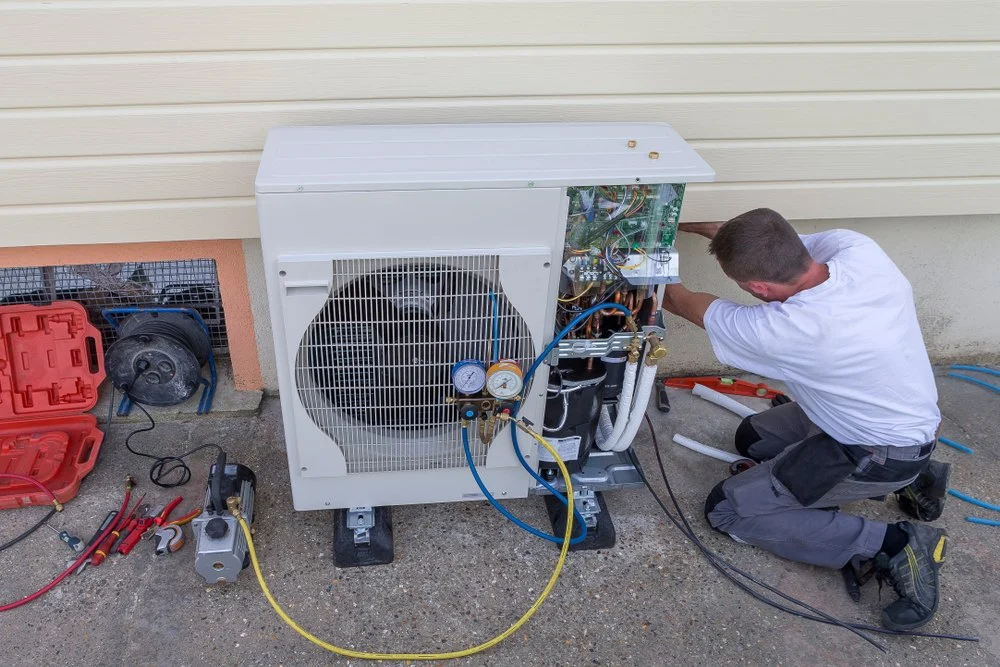
How Does a Heat Pump Work in Winter?
A heat pump works in winter by extracting heat from the outside air and transferring it inside your home, even when it’s cold outside. It uses refrigerant to absorb heat from the outdoor air, compresses it to increase the temperature, and then releases this warmth inside your home. In Arkansas homes, heat pumps can work efficiently down to about 25-30°F. When temperatures drop lower, most heat pumps use backup electric resistance heating (emergency heat) to keep your home comfortable. This system provides both heating and cooling year-round, making it an energy-efficient choice for Arkansas’s varied climate.
Table of Contents
| Heat Pump Component | Winter Function |
|---|---|
| Outdoor Unit | Extracts heat from cold outside air |
| Refrigerant | Absorbs and transfers heat energy |
| Compressor | Increases the temperature of the refrigerant |
| Indoor Coil | Releases warm air into your home |
| Backup Heat | Provides extra warmth during extreme cold |
The Basic Science Behind Heat Pumps
Heat pumps work on a simple but amazing principle: heat naturally flows from warmer areas to cooler ones. Even when it feels cold outside, there’s still heat energy in the air that can be captured.
Think of a heat pump like a heat mover rather than a heat maker. Unlike a furnace that burns fuel to create heat, a heat pump just moves existing heat from one place to another.
The magic happens through the refrigeration cycle. The same technology that keeps your refrigerator cold is used in reverse to warm your home.
The Heat Pump Cycle in Winter
During winter, your heat pump follows these steps to warm your home:
1. The outdoor unit’s refrigerant absorbs heat from the outside air.
2. This refrigerant (now carrying heat) gets compressed, which raises its temperature significantly.
3. The hot refrigerant moves to the indoor unit, where a fan blows air across it.
4. The warm air is distributed throughout your home via ducts.
5. The refrigerant, having released its heat, returns to the outdoor unit to repeat the cycle.
This process continues until your home reaches the temperature set on your thermostat.
Heat Pumps vs. Traditional Heating Systems
Many Arkansas homes have traditionally used gas furnaces for heating. Let’s compare how heat pumps stack up against these systems.
Energy Efficiency
Heat pumps are typically more energy efficient than furnaces. While a gas furnace might be 95% efficient (meaning 95% of the fuel becomes heat), a heat pump can deliver 300% efficiency. This means for every unit of electricity it uses, it can move three units of heat into your home.
This efficiency translates to lower heating and cooling costs for most Arkansas homeowners, especially during mild winter days.
Environmental Impact
Heat pumps run on electricity rather than burning fossil fuels directly. This means they produce no carbon monoxide or other combustion gases in your home.
If your electricity comes from renewable sources, using a heat pump can significantly reduce your carbon footprint compared to a gas furnace.
Heating Performance
In moderate winter temperatures (above 30°F), heat pumps provide comfortable, even heating. However, when temperatures drop below freezing, traditional heat pumps begin to lose efficiency.
This is why most heat pumps in Arkansas homes include backup electric resistance heating that kicks in automatically when needed.
How Heat Pumps Handle Arkansas Winters
Arkansas has a varied climate with mild to moderately cold winters. Most of the state experiences average winter lows between 25-35°F, making it well-suited for heat pump technology.
Performance in Different Temperature Ranges
When temperatures are above 40°F, heat pumps work at peak efficiency. Your system will easily maintain comfortable temperatures while using minimal electricity.
Between 25-40°F, heat pumps still work effectively but may run longer cycles to maintain warmth. The system remains more efficient than resistance heating.
Below 25°F, most standard heat pumps will begin to rely on their backup heating elements. This is when you might notice your system working harder and using more electricity.
Backup Heating Systems
Most heat pumps installed in Arkansas homes come with built-in electric resistance heating elements. These work like giant toasters, creating heat directly from electricity.
When outdoor temperatures drop too low for efficient heat extraction, your system automatically activates these backup heaters. On your thermostat, this might be labeled as “emergency heat” or “aux heat.”
Some homeowners opt for dual-fuel systems that pair a heat pump with a gas furnace for backup instead of electric resistance heating. This can be more economical in areas with low gas prices and very cold winter periods.
Common Winter Heat Pump Challenges in Arkansas
While heat pumps are well-suited for Arkansas weather, they do face some challenges during the winter months.
Defrost Cycles
When outdoor temperatures hover around freezing, ice can form on the outdoor unit’s coils. Your heat pump has a defrost mode that periodically melts this ice.
During defrost cycles, you might notice:
– The outdoor fan is stopping temporarily
– Steam rising from the outdoor unit
– The system briefly switching to cooling mode indoors
– Backup heat activating to maintain indoor comfort
This is completely normal and necessary for proper operation.
Perceived Temperature Differences
Heat pumps typically deliver air at 90-95°F, while gas furnaces might deliver air at 120-125°F. This means the air from your vents might not feel as hot as you’re used to with a furnace.
This doesn’t mean your heat pump isn’t working! It’s actually delivering heat more efficiently by running longer at a lower temperature, creating more even comfort throughout your home.
Maximizing Heat Pump Efficiency in Winter
To get the most from your heat pump during Arkansas winters, follow these tips:
Thermostat Settings
Avoid frequent temperature adjustments. Heat pumps work most efficiently when maintaining a steady temperature.
Consider a programmable or smart thermostat designed specifically for heat pumps. These can optimize your system’s performance while saving energy.
A good winter setting is 68°F when you’re home and awake. Each degree lower can save about 3% on heating costs.
Maintenance Tips
Regular maintenance is crucial for winter heat pump performance:
– Change air filters monthly during heavy use
– Keep the outdoor unit clear of snow, ice, and debris
– Ensure vents inside your home aren’t blocked by furniture
– Schedule professional heating and cooling maintenance before winter begins
A well-maintained heat pump can be up to 25% more efficient than a neglected one.
Supplemental Heating Strategies
To reduce reliance on backup electric heat:
– Use ceiling fans on low speed to circulate warm air
– Open curtains on sunny days to capture solar heat
– Seal drafts around windows and doors
– Add extra insulation to your attic and walls
These simple steps can significantly reduce how hard your heat pump needs to work.
When to Call for Professional Heat and Air Service
While heat pumps are reliable, they sometimes need professional attention. Contact a heating and cooling expert if you notice:
Performance Issues
– Your heat pump runs constantly without reaching the set temperature
– The system frequently switches to emergency heat mode
– Unusual noises coming from either the indoor or outdoor unit
– Ice buildup on the outdoor unit that doesn’t clear during defrost cycles
These could indicate problems with refrigerant levels, airflow, or electrical components.
Maintenance Needs
Schedule professional furnace repair or heat pump maintenance:
– Before winter begins (ideally in fall)
– If your system hasn’t been serviced in over a year
– When you notice declining performance or efficiency
– If your energy bills suddenly increase without explanation
Professional technicians can clean coils, check refrigerant levels, test electrical components, and ensure your system is ready for winter demands.
Upgrading Your Arkansas Home’s Heat Pump
If your heat pump is over 10 years old or struggling with Arkansas winters, consider these upgrade options:
Cold Climate Heat Pumps
Newer cold-climate heat pumps can operate efficiently at much lower temperatures—some down to 0°F or below without needing backup heat.
These systems use enhanced technology like:
– Variable-speed compressors that adjust to heating demands
– Improved defrost controls
– Enhanced vapor injection
– Better refrigerants designed for cold weather
While they cost more upfront, cold climate heat pumps can save significantly on winter heating costs.
Dual-Fuel Systems
For homes with existing gas lines, a dual-fuel system combines a heat pump with a gas furnace.
The system automatically switches between the heat pump (for mild weather) and the furnace (for extreme cold) based on which is more economical at the current temperature.
This gives you the efficiency of a heat pump with the cold-weather performance of a gas furnace.
Frequently Asked Questions
Will a heat pump work in Arkansas winter temperatures?
Yes, heat pumps work well in most Arkansas winter conditions. Standard heat pumps operate efficiently down to about 25-30°F, which covers most winter days in Arkansas. For colder periods, the backup heating system ensures your home stays warm.
How much does it cost to run a heat pump in winter?
In moderate winter temperatures (above 30°F), a heat pump typically costs less to operate than a gas furnace or electric resistance heating. When temperatures drop below freezing and backup heat activates, operating costs increase. On average, Arkansas homeowners save 20-30% on heating costs with a properly sized heat pump compared to traditional systems.
Why is my heat pump blowing cold air?
There are several reasons this might happen:
– During defrost cycles, the system temporarily reverses to melt ice
– The air might feel cool compared to your body temperature (98.6°F) even when it’s actually 90°F
– If the air is truly cold, your system might be low on refrigerant or experiencing a malfunction
If the air consistently feels cold, contact a heating and cooling professional.
How often should I have my heat pump serviced?
For optimal performance, have your heat pump professionally maintained twice yearly—once before cooling season and once before heating season. At minimum, schedule a professional inspection and tune-up once a year, ideally in the fall before winter demands begin.
Can I cover my outdoor heat pump unit in winter?
No, you should never completely cover your heat pump’s outdoor unit while it’s in operation. The unit needs proper airflow even in winter. Instead, keep it clear of snow, ice, and debris. If severe weather is expected, you can place a piece of plywood weighted with bricks on top to prevent ice or snow damage, but never wrap or fully cover the sides.
Keeping Your Arkansas Home Warm All Winter
Heat pumps offer an efficient, effective way to keep your Arkansas home comfortable during the winter months. By understanding how your system works and following proper maintenance practices, you can enjoy reliable heating while keeping energy costs under control.
Remember that heat pumps work differently from traditional furnaces. The air they produce might not feel as hot coming from your vents, but they maintain comfortable temperatures throughout your home more efficiently.
For the best performance during Arkansas winters, keep up with regular maintenance and know when to call for professional heat and air service. A well-maintained heat pump will provide reliable comfort for many winters to come. When you need expert help with your heating and cooling system, contact Noland Heat and Air to schedule an appointment with our experienced technicians who understand the unique needs of Arkansas homes.